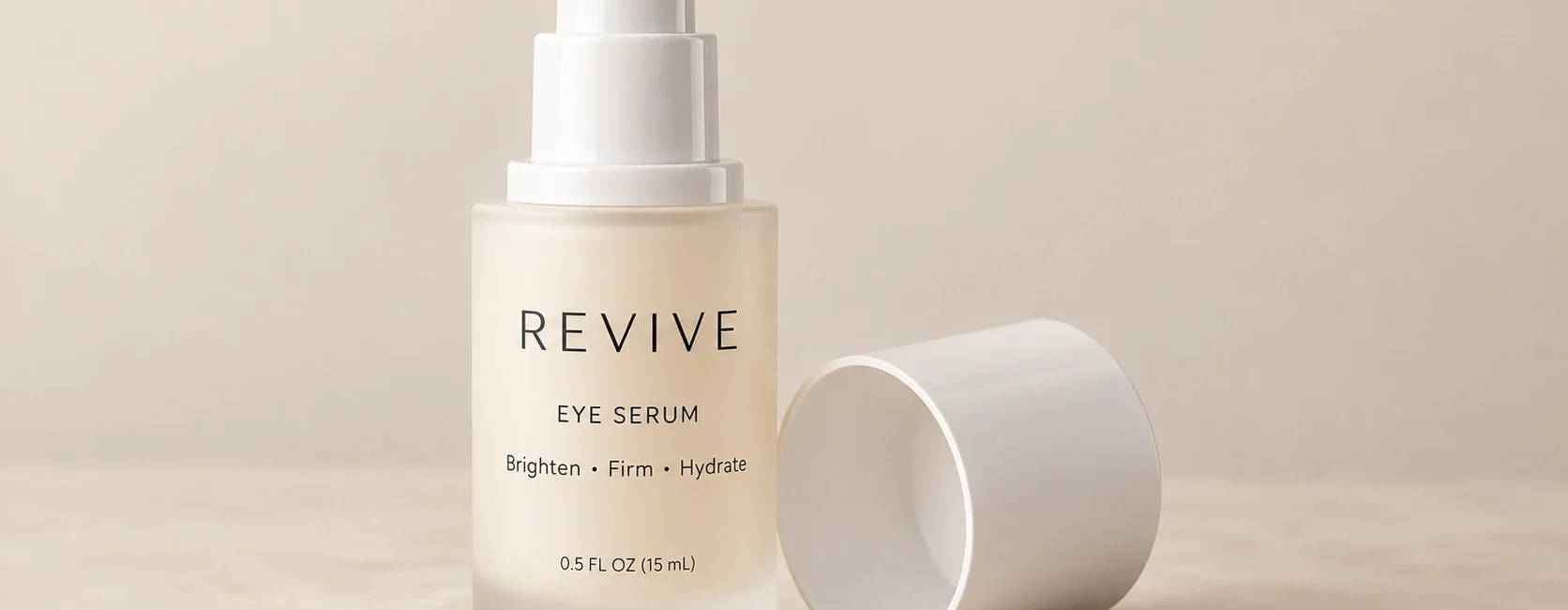
If you’ve searched for “Beauty of Joseon eye cream” and had trouble finding a product with that exact name, that’s because Beauty of Joseon doesn’t actually sell one. The product almost everyone means when they say this is the brand’s Revive Eye Serum: Ginseng + Retinal, a lightweight, serum-textured formula that’s become one of the most talked-about under-eye products in K-beauty, largely because it delivers a real retinal concentration at a price far below most prestige eye creams.
By RK Fashion Zone Editorial Team | A dedicated team researching and writing about modern fashion, beauty products, and practical outfit guides.
What Is Beauty of Joseon Eye Cream? (Meet the Revive Eye Serum)
The Revive Eye Serum: Ginseng + Retinal is a 30ml, pump-dispensed serum designed primarily for the under-eye area, though Beauty of Joseon states it can be used on the rest of the face as well. It’s built around two headline ingredients 10% ginseng root extract and 2% retinal (with an active retinal concentration the brand states at approximately 0.02%) positioned as a firming, wrinkle-targeting formula for the eye area.
It’s marketed as suitable for all skin types, including sensitive skin, with the caveat that sensitive-skin users should start with a smaller amount and build up gradually. The texture is a silky, fast-absorbing serum rather than a heavier traditional cream, which is part of why so many searchers default to calling it a “cream” out of habit even though the brand markets it as a serum.
Key Ingredients: Ginseng, Retinal, and What Else Is In It
Ginseng root extract (10%) is the base ingredient Beauty of Joseon built the formula around. The brand cites ginseng’s saponin content as the reason for its inclusion, framing it as an antioxidant-supporting, hydration-boosting ingredient with a long history in traditional Korean skincare.
Retinal (2% retinal liposome, ~0.02% active retinal) is the formula’s active anti-aging ingredient. Rather than using free-form retinal, Beauty of Joseon encloses it in a liposome delivery system, a way of protecting an otherwise unstable and potentially irritating ingredient so it can penetrate more predictably while, per the brand’s stated goal, reducing surface irritation.
Niacinamide is included for its brightening and skin-barrier-supporting reputation, and Beauty of Joseon specifically positions it as targeting the appearance of dark circles.
Other notable ingredients on the published ingredient list include macadamia seed oil (emollient, skin-softening), adenosine (a common skin-soothing and firmness-associated ingredient in Korean skincare), ceramide NP (barrier support), sodium hyaluronate (hydration), and glycerin. The full ingredient list, per current retailer-published INCI data, also includes standard formulation ingredients such as dipropylene glycol, cetearyl alcohol, and preservative/stabilizing agents. Always check the ingredient panel on your actual bottle or the current official product page, since formulas can be updated over time.
Retinal vs. Retinol: Why This Matters for This Product
Retinal (retinaldehyde) and retinol are both vitamin A derivatives used in skincare, but they’re not the same thing, and the difference is genuinely relevant to why this product is positioned the way it is. Retinal sits closer to retinoic acid in the skin’s conversion pathway than retinol does in practical terms; this generally means it can act faster and potentially more efficiently at a given concentration than an equivalent amount of retinol, though “faster” doesn’t automatically mean “better tolerated” for everyone. Beauty of Joseon’s own marketing describes retinal as capable of working more quickly than retinol at comparable strength, and encapsulating it in a liposome is specifically presented as a stability and gentleness measure.
For a first-time retinoid user, this matters practically: a product built around retinal isn’t automatically “beginner” just because it’s gentler in formulation; it’s still an active retinoid, and standard retinoid precautions (gradual introduction, nighttime use, sun protection) still apply.
What This Eye Serum May Help With
Based on the product’s stated formulation and ingredient functions, and not independent clinical verification beyond what the brand has published, the realistic, non-exaggerated potential benefits include:
- Support for the appearance of fine lines and wrinkles around the eyes, primarily attributed to the retinal content’s role in supporting collagen-related skin turnover.
- Hydration and skin-barrier support from glycerin, sodium hyaluronate, and ceramide.
- Brightening support for the appearance of dark circles, primarily attributed to niacinamide.
- A lightweight, non-sticky application experience, which matters for a product used daily around a sensitive area of the face.
Beauty of Joseon has published an in-house study (conducted by a Korean dermatology research institute) citing an 8.65% improvement in wrinkle appearance after two weeks, based on a study of 21 subjects. That’s a real, specific, brand-commissioned result worth citing accurately;; it’s not an independent, large-scale, peer-reviewed clinical trial, and results from a 21-person, two-week study shouldn’t be read as a guarantee of similar results for every user.
How to Use Beauty of Joseon Eye Serum Correctly
Based on the brand’s current published usage guidance:
- Use after cleansing, toning, and any water-based serums, but before heavier moisturizer and SPF.
- Pump the serum once or twice; a little goes a long way, especially since the active retinal concentration is meant to be used sparingly.
- Gently tap the product into the skin around the eyes, typically with the ring finger, since it applies the lightest pressure to the delicate under-eye area.
- Beauty of Joseon states the product can be used both morning and night, but if using it during the day, sunscreen afterward is essential, since retinoids can increase sun sensitivity.
- The brand explicitly advises against mixing this product with AHA, BHA, or PHA exfoliating acids in the same routine, to reduce the risk of irritation.
- If you experience stinging, the brand’s own guidance suggests layering the serum over a gentle moisturizer instead of applying it directly to bare skin, particularly for dry or sensitive skin types.
Who Should Be Cautious (Pregnancy, Sensitive Skin, Overuse)
A few cautions are worth stating plainly rather than glossing over, since they come directly from the manufacturer or from a consistent pattern in verified user feedback:
- Pregnancy and breastfeeding: Beauty of Joseon’s own product guidance explicitly states that this product contains retinal, an ingredient pregnant individuals should avoid, and advises against use during pregnancy or breastfeeding. If you’re pregnant, breastfeeding, or trying to conceive, this is a manufacturer-stated restriction, not just general caution; check with your doctor about retinoid use in skincare during this time.
- Sensitive or very dry skin: The brand recommends starting with a small amount and increasing gradually, and separately suggests layering over moisturizer if stinging occurs.
- Overuse: A recurring theme in verified retailer reviews is that some users found the product drying when applied both morning and night without adjustment; several reported switching to every-other-night use, or pairing it with a separate daytime eye product, once they noticed dryness. This lines up with general retinoid usage patterns: starting less frequently and building up tolerance tends to reduce this risk.
- New retinoid users generally: Even though this formula is positioned as accessible, standard retinoid-introduction advice still applies: start slow, watch for irritation, and don’t combine with other strong actives (like AHA/BHA/PHA) right away.
This is general skincare guidance, not medical advice. If you have a diagnosed skin condition or specific health considerations, a dermatologist is better positioned to advise on whether this product fits your situation.
Beauty of Joseon Eye Cream: Pros and Cons
Pros
- A genuinely differentiated formula: a real retinal concentration in a liposome-stabilized delivery system, at a price point far below most prestige eye creams that use similar technology.
- Lightweight, fast-absorbing serum texture that doesn’t feel heavy under makeup.
- Manufacturer transparency on the retinal percentage and delivery method, which is relatively uncommon at this price point.
- Explicit, accurate safety guidance from the brand around pregnancy and sensitive skin.
- Versatile enough to use on the broader face, not strictly limited to the eye area.
Cons
- The “eye cream” naming confusion means first-time buyers sometimes struggle to find the exact product on the brand’s own site.
- Some verified users report dryness or mild irritation with twice-daily use, meaning the product may need a more gradual introduction than the marketing implies.
- Should not be combined with AHA/BHA/PHA exfoliants without adjusting your routine, which adds a layer of complexity for people already using other actives.
- Not appropriate during pregnancy or breastfeeding, per the manufacturer’s own guidance.
- The brand’s cited clinical result, while real, comes from a small-scale, short-duration, company-commissioned study rather than large independent research.
Beauty of Joseon Eye Serum Review
Based on the product’s published formulation, official usage guidance, and patterns across verified retailer reviews, not firsthand testing here’s how it holds up across what matters most to a buyer:
Formula and ingredient transparency: This is a genuine strength. Beauty of Joseon publishes specific concentrations (10% ginseng, 2% retinal liposome) rather than vague “infused with” language, which is unusual at this price tier and gives buyers real information to evaluate.
Texture and application experience: Consistently described across reviews as lightweight and fast-absorbing, without the greasy or tacky finish some retinoid formulas have.
Realistic results expectations: The brand’s own cited study (8.65% wrinkle improvement over two weeks in 21 subjects) is a specific, real data point useful for context, but not something to treat as a guaranteed outcome for every user, especially since individual skin response to retinoids varies significantly.
Tolerability: Generally well-tolerated per verified reviews, with the recurring caveat that twice-daily, unmoderated use has caused dryness for some users, suggesting a “start slower than the label suggests” approach is reasonable for most first-time users.
Price relative to formulation: This is where the product draws consistent praise. Multiple verified reviewers specifically compare it favorably to significantly more expensive prestige eye creams, on the basis of ingredient concentration and delivery technology rather than brand prestige.
Is Beauty of Joseon Eye Cream Worth It?
There’s no single universal answer, but the value case is genuinely strong for a specific type of buyer.
Worth considering if:
- You want to try a retinal-based eye product without committing to a high prestige-brand price point.
- You’re comfortable following standard retinoid introduction practices (gradual use, nighttime application, sun protection).
- You value ingredient transparency and want to know exactly what percentage of active ingredients you’re using.
Probably unnecessary if:
- You’re already using a retinoid-based eye product you’re happy with; switching products introduces its own adjustment period.
- You’re not ready to manage a genuine active ingredient (i.e., you want something purely hydrating with zero retinoid-related considerations).
Consider another option if:
- You’re pregnant, breastfeeding, or otherwise advised to avoid retinoids.
- You have very reactive or compromised skin and want a bakuchiol-based (retinol-alternative) formula instead of an actual retinoid.
Beauty of Joseon Eye Cream vs. Other Korean Eye Creams
| Product | Active Ingredient Approach | Best For | Notable Consideration |
|---|---|---|---|
| Beauty of Joseon Revive Eye Serum | 2% retinal liposome + 10% ginseng | Budget-conscious buyers wanting a real retinoid with ingredient transparency | Not for pregnancy/breastfeeding; introduce gradually |
| Bakuchiol-based Korean eye creams (e.g., Skin1004’s bakuchiol eye cream) | Plant-derived retinol-alternative | Retinoid-sensitive users or those avoiding retinoids during pregnancy | Generally considered gentler, though typically viewed as less potent than true retinoids |
| Higher-concentration retinal Korean eye creams (e.g., 4%+ retinal liposome formulas) | Higher-percentage retinal liposome | Experienced retinoid users wanting a stronger formula | Higher irritation potential; not a beginner option |
| Peptide/collagen-focused Korean eye serums (e.g., vegan collagen eye serums) | Peptides, plant collagen-support ingredients, no retinoid | Users wanting firming support without any retinoid | Generally slower, more gradual results profile; no retinoid-related precautions needed |
This comparison reflects general ingredient-category differences, not head-to-head performance testing; actual results depend heavily on individual skin type and consistency of use.
Frequently Asked Questions
What is Beauty of Joseon eye cream?
There isn’t a Beauty of Joseon product literally named “eye cream”; the product most people mean is the Revive Eye Serum: Ginseng + Retinal, a 30ml serum built around 10% ginseng root extract and 2% liposome-encapsulated retinal.
Is Beauty of Joseon eye serum worth it?
For buyers wanting an accessible entry point into retinal-based eye care with transparent ingredient concentrations, it’s genuinely good value relative to prestige alternatives, though it’s still an active retinoid product that requires the same careful introduction as any retinoid.
How do you use Beauty of Joseon eye serum?
Apply after cleansing, toning, and water-based serums but before heavier moisturizer and SPF, using one to two pumps tapped gently around the eye area with your ring finger. Use sunscreen if applying during the day.
Is Beauty of Joseon eye cream good for dark circles?
The formula includes niacinamide, which is commonly associated with brightening and reducing the appearance of dark circles, though individual results vary and niacinamide alone isn’t a guaranteed fix for all types of dark circles (some of which are structural or vascular rather than pigmentation-related).
Is Beauty of Joseon eye serum safe for sensitive skin?
The brand markets it as suitable for all skin types, including sensitive skin, but specifically recommends sensitive-skin users start with a small amount and increase gradually, or layer it over a moisturizer if stinging occurs.
Can I use Beauty of Joseon eye serum during pregnancy?
No, the brand’s own product guidance states this product contains retinal, an ingredient pregnant individuals should avoid, and advises against use during pregnancy or breastfeeding. Consult your doctor about retinoid skincare use during this time.
Does Beauty of Joseon eye cream irritate?
It’s generally well-tolerated according to verified user reviews, but some users have reported dryness with twice-daily use starting with less frequent application and monitoring your skin’s response is a reasonable precaution, especially for first-time retinoid users.
What’s the difference between Beauty of Joseon’s retinal and regular retinol?
Retinal (retinaldehyde) converts to retinoic acid in fewer steps than retinol does, which generally allows it to act more efficiently at a given concentration. Beauty of Joseon encapsulates its retinal in a liposome specifically to improve stability and reduce irritation potential.
What are good alternatives to Beauty of Joseon eye serum?
If you want to avoid retinoids entirely (including during pregnancy), a bakuchiol-based Korean eye cream is a reasonable alternative. If you want a stronger retinoid, some Korean brands offer higher-percentage retinal liposome formulas, though these carry more irritation risk and suit more experienced users.