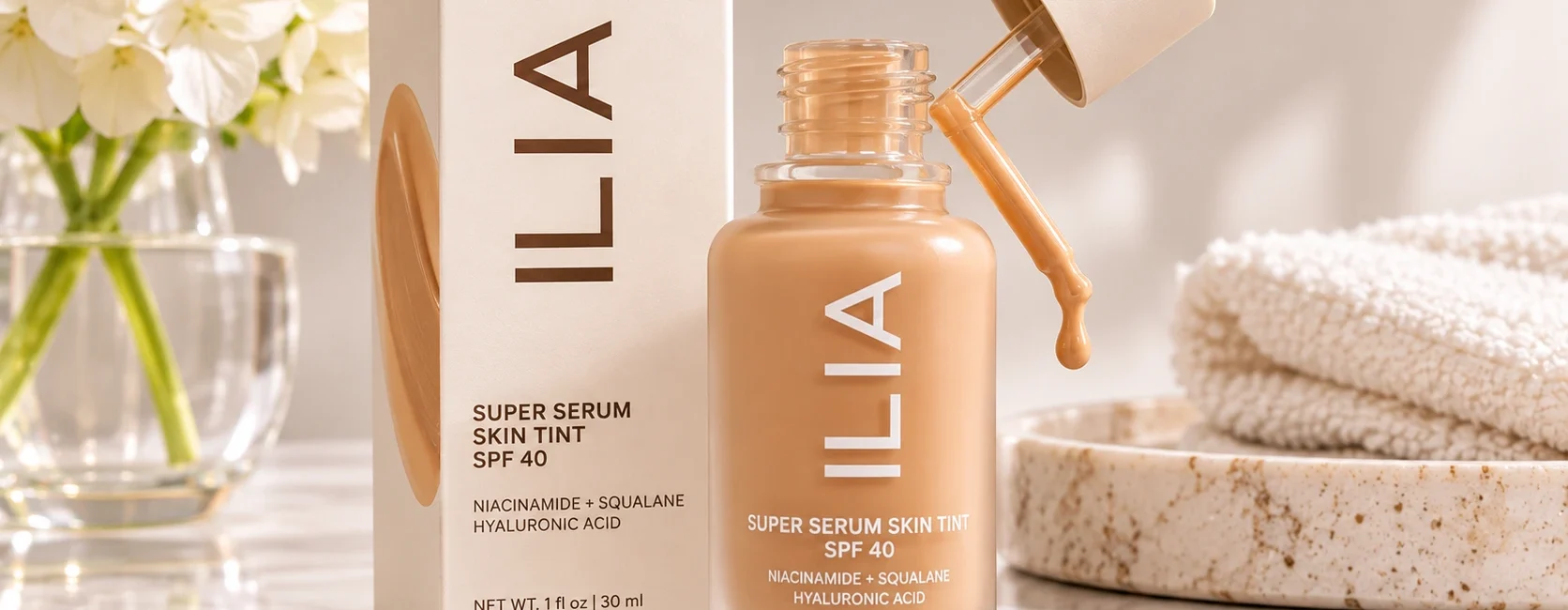
Few products have done more for the “skin first, makeup second” trend than the ILIA Super Serum Skin Tint SPF 40. It is a tinted mineral sunscreen with serum-style skincare ingredients, a dewy skin-like finish, and a dropper bottle that looks more like a facial oil than a foundation. Beauty editors like it, makeup artists recommend it, and it has stayed a fixture in the “clean beauty” conversation for years.
It also has a catch that most reviews skip: the SPF 40 on the label only applies if you use a lot more product than the tint finish usually encourages. This review covers what the formula actually contains, how the shade range works, who gets the best results, who should pass, what a bottle really costs per use, and cheaper alternatives worth comparing.
The short verdict: it is one of the best-feeling tinted mineral sunscreens you can buy, especially for dry, normal, and sensitive skin. It is expensive, the light coverage will not hide much, and you should not treat it as your only sun protection unless you apply it generously.
Quick Facts about ILIA Super Serum Skin Tint SPF 40
| Detail | Information |
|---|---|
| Product | ILIA Super Serum Skin Tint SPF 40 |
| Type | Tinted mineral sunscreen / skin tint |
| Coverage | Light, buildable to light-medium in spots |
| Finish | Dewy, skin-like |
| Sun protection | Broad spectrum SPF 40 with non-nano zinc oxide |
| Key skincare ingredients | Niacinamide, squalane, hyaluronic acid |
| Size | 1 fl oz / 30 ml, dropper bottle |
| Shade range | 30 shades on ILIA’s current listing (older reviews describe 18) |
| Price | About $48 on ILIA’s listing; some retailers and recent reviews list $54 |
| Brand claims | Fragrance-free, silicone-free, vegan, cruelty-free |
What Is the ILIA Super Serum Skin Tint?
It is a hybrid of three products: a sunscreen, a light-coverage foundation, and a hydrating serum. The base is water and squalane rather than the silicones that give many tints their slippery feel, and the color comes from natural pigments. ILIA describes the result as a “your skin but better” finish that blurs and evens tone without covering skin texture.
The texture is a thin, lotion-like liquid with a noticeable emollient feel. One long-time reviewer described it as thick and cushioning, which many people with dry skin will like and many with oily skin will not.
The Ingredients, Explained
The skincare half of the claim is real, not just marketing language. Here is what the main ingredients do.
Non-nano zinc oxide. The sun filter. Zinc oxide is a mineral (physical) filter that sits on the skin and protects across the UV spectrum. “Non-nano” means the particles are larger than nanoparticle size, which is why mineral formulas can leave a white or grey cast. Two review sites cite 12% zinc oxide, which fits an SPF 40 claim, but confirm the exact percentage on the box you buy.
Niacinamide. A form of vitamin B3 that helps with the look of uneven tone and supports the skin barrier. At the concentrations found in a tinted product, expect gentle, gradual benefits rather than dramatic ones.
Squalane. A lightweight emollient that mimics the skin’s own lipids. It gives the product its cushioned feel and helps it spread.
Hyaluronic acid (sodium hyaluronate). A humectant that draws water into the skin, which adds to the plump, hydrated look.
Other supporting ingredients. The list also includes aloe, bisabolol, and allantoin, which are soothing ingredients. Always check the current list on the packaging, since ILIA may adjust formulas between batches.
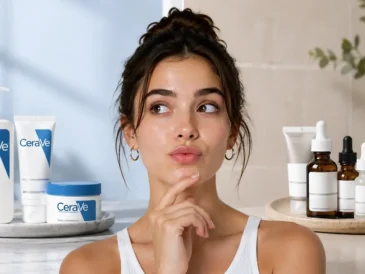
What it is not. It is not a full anti-aging treatment, and the skincare ingredients do not replace a proper serum or moisturizer underneath. If you want to see how a dedicated skincare serum differs from a skincare-makeup hybrid, our review of the Beauty of Joseon Glow Serum breaks down what a true serum-level formula contains.
The SPF 40 Catch Nobody Mentions
This is the biggest content gap in most reviews, and it matters for anyone using the tint as sun protection.
SPF ratings are tested at a generous amount of product. The commonly cited guidance is about a quarter teaspoon for the face alone, which is far more than most people use for a skin tint. Reviewers who have tested the product specifically note that it is easy to under-apply and miss the labeled dose. A dropper bottle makes this worse, because a couple of drops is the amount that gives you the pleasant, natural tint, but it is not the amount that delivers SPF 40.
You have three realistic options:
1. Apply the full amount. Some people find a full dose too much tint for their taste. If your shade is a close match, it often blends in fine.
2. Layer a dedicated sunscreen underneath. Wear a separate sunscreen first, let it set, then use the tint as your skin-evening layer. This is the safest approach for long days outdoors.
3. Treat the tint as a bonus, not your only protection. If you apply it lightly, think of the SPF as extra protection rather than the full amount on the label.
For long outdoor exposure, reviewers also recommend pairing it with a water-resistant sunscreen and reapplying every two hours and after sweating. Check the packaging for any water-resistance claims before relying on it at the beach or pool.
Shades: How to Choose from 30 Options
ILIA’s current listing describes 30 shades, up from the 18 that older reviews cover. If you are reading an older review, the shade numbers and names may no longer line up with what is on sale, so use ILIA’s current shade finder rather than relying on someone’s old swatch.
Shade codes and names. Shades are labeled ST followed by a number, with names such as Formosa (ST4), Bom Bom (ST5), and Diaz (ST7).
How to match. Test along the jawline in natural light and compare to your neck, not your wrist. Pay attention to undertone as well as depth: warm, neutral, and cool options exist across the range.
A common warning from reviewers. A long-time reviewer found one of the lighter shades blended lighter than expected and flirted with a white cast, and recommended going slightly darker than you think you need. This is a common behavior of mineral sunscreens in general, and the zinc oxide is the reason.
Deeper skin tones. One reviewer found the shade range still has gaps. If you have a deeper complexion, swatch in person or order from a retailer with an easy return policy before committing, and look closely for any ashy cast at the edges of your face.
Mixing. Because the formula is a liquid, many people blend two adjacent shades to dial in a seasonal match. This is a good way to fix a shade that is slightly off.
Who It Works Best For
Dry and normal skin. The emollient texture and hydrating ingredients are a natural fit, and several reviewers specifically say it feels comfortable on dry skin.
Sensitive skin. The fragrance-free formula and mineral filter are the main reasons it is often recommended for reactive skin, though no product suits everyone, so patch test.
Anyone who wants a minimal-makeup routine. If your goal is a quick morning step that evens tone and looks like skin, this is what it was designed for.
Mature skin. The sheer, dewy finish tends to sit more smoothly on mature skin than a heavier, matte foundation.
Who Should Pass
Oily skin that wants a matte finish. The dewy finish can look shiny on oily skin by midday. If you love the formula but fight shine, set your T-zone with a light powder. A budget option like the one in our Maybelline Fit Me powder guide works well for this and keeps the glow on your cheeks.
Anyone who needs real coverage. It evens tone and softens redness but will not cover acne scars, dark spots, or deep pigmentation. You will need a concealer or a heavier foundation.
Acne-prone skin that reacts to rich emollients. The brand and reviewers describe it as non-comedogenic, but squalane and shea-derived ingredients can still bother some very breakout-prone skin. Patch test and introduce it slowly.
Budget shoppers. At about $48 to $54 per ounce, it is a prestige purchase, and there are cheaper tinted mineral SPFs that do a decent job.
How to Apply It for the Best Results
1. Start with prepped skin. Moisturize first and let it absorb. A dewy tint looks best over hydrated skin.
2. Dispense and warm it up. Put the product on the back of your hand and warm it with your fingers before applying.
3. Apply with fingers, a damp sponge, or a brush. Fingers give the most skin-like finish. A damp sponge gives a bit more evenness. Use light, pressing motions rather than dragging.
4. Build in thin layers. If you want more coverage, apply a second thin layer to the areas that need it rather than one heavy layer.
5. Decide on your SPF strategy. If you are relying on it for sun protection, follow the dosing guidance above or layer a dedicated sunscreen underneath.
6. Set only where needed. Skip powder on dry areas and set only the T-zone if you get shiny.
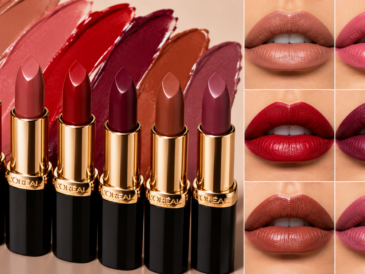
7. Complete the look lightly. A light mascara and a soft lip finish the “skin first” look without adding weight. If you like a neutral lip, our guide to finding the perfect nude lipstick covers the shade-matching principles that work well with a sheer base.
Removal: Do Not Skip the Double Cleanse
Mineral sunscreen with pigment can cling to the skin, especially if you applied the full SPF dose. A single face wash often leaves residue behind. Cleansing with an oil or balm first, then following with a gentle water-based cleanser, removes it more completely. Our guide to how a cleansing balm works and who it suits explains the first step of that routine.
What a Bottle Really Costs Per Use
Most reviews quote the sticker price and stop there. Here is the math that matters.
A 1 fl oz bottle holds roughly 6 teaspoons. If you apply about a quarter teaspoon for the full SPF dose, that is roughly 24 applications per bottle, which works out to around $2 per day at $48. If you use a few drops as a light tint, a bottle lasts much longer, but you are no longer getting SPF 40 worth of protection.
So the honest question is not “is $48 too much for a foundation?” It is “is $2 a day reasonable for a sunscreen, tint, and skincare step in one?” For many people it is, and for others a separate sunscreen and a cheaper tint will cost less.
ILIA vs. Alternatives
Prices below come from a recent comparison by DermApproved and may have changed, so check current listings.
| Product | Approx. price | Best for | Notes |
|---|---|---|---|
| ILIA Super Serum Skin Tint SPF 40 | $48–$54 | Dry, normal, sensitive skin | Dewy finish, 30 shades, premium price |
| CeraVe Hydrating Mineral SPF (tinted) | About $17 | Budget shoppers, sensitive skin | Drugstore price, ceramides |
| Supergoop Protec(tint) | About $38 | Everyday protection | Mid-range option |
| Saie Slip Tint | About $35 | Dewy finish, light coverage | Popular clean-beauty alternative |
| Tower 28 SunnyDays Tinted | About $32 | Sensitive and acne-prone skin | Gentle, mineral-based |
If you are new to skincare-focused products and weighing brand philosophies, our comparison of how CeraVe stacks up against The Ordinary is a useful read on how drugstore and targeted-active brands differ.
Pros and Cons
Pros
- Lightweight, comfortable, skin-like finish
- Mineral SPF 40 with non-nano zinc oxide
- Serum-style ingredients including niacinamide, squalane, and hyaluronic acid
- Fragrance-free and silicone-free, with a wide 30-shade range
- Works well for dry, normal, mature, and sensitive skin
Cons
- Premium price, and easy to under-apply and miss the real SPF dose
- Light coverage will not hide scars, spots, or deep pigmentation
- Can look shiny on oily skin
- Lighter shades may blend lighter than expected, and some reviewers see gaps in the range
- Mineral formulas can be harder to remove without a double cleanse
Frequently Asked Questions
Is ILIA Super Serum Skin Tint SPF 40 worth it?
For dry, normal, and sensitive skin, yes, if you value the finish and are comfortable with the price. If you want full coverage, a matte finish, or a budget option, probably not.
Does ILIA Skin Tint actually have SPF 40?
Yes, the formula is rated SPF 40 with non-nano zinc oxide. You only get that level of protection if you apply the amount used in testing, which is more than most people use for a tint.
Is it good for oily skin?
It can work, but the dewy finish can look shiny. Set your T-zone with a light powder.
Is it good for sensitive skin?
It is fragrance-free and mineral-based, which is why it is often recommended, but patch test first.
Does it leave a white cast?
Some people see a slight cast, especially in lighter shades or when they apply the full SPF dose. Matching your shade carefully and blending well helps.
How many shades does it come in?
ILIA’s current listing describes 30 shades. Older reviews mention 18, so check the current shade finder.
How do I remove it?
Use a cleansing balm or oil first, then a gentle water-based cleanser.
Final Verdict: Is ILIA Super Serum Skin Tint SPF 40 Worth It?
If you want a sunscreen you will actually enjoy wearing, one that evens tone, feels hydrating, and looks like skin, this is one of the best of its kind. It suits dry, normal, mature, and sensitive skin especially well, and the 30-shade range gives most people a fair shot at a match.
It is not a perfect product. The price is high, the coverage is light, and the real SPF depends on you applying more than feels natural. Treat it as an excellent daily tint with a mineral sunscreen built in, layer a dedicated sunscreen underneath for long outdoor days, and match your shade carefully. Do that, and it earns its place.