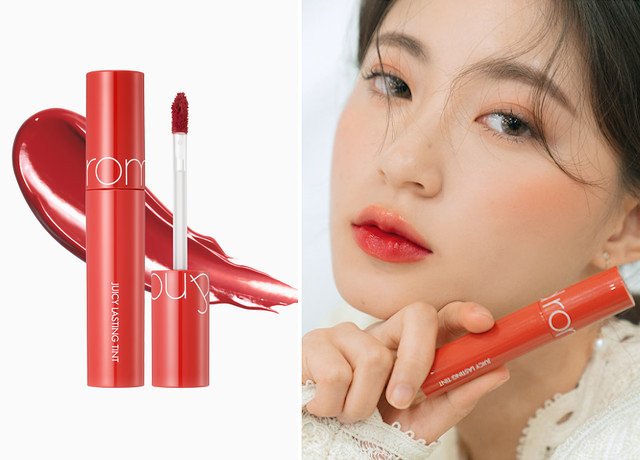
You’ve seen the look everywhere: K-drama actresses and K-pop idols with that soft, flushed, just-bitten lip colour that looks effortless and completely natural. It doesn’t look like lipstick. It doesn’t look overdone. It looks like their lips are just that colour. That’s the magic of Korean lip tints, and once you try them, it’s very hard to go back to regular lip products.
By RK Fashion Zone Editorial Team | A dedicated team researching and writing about modern fashion, beauty products, and practical outfit guides.
If you’re new to K-beauty and have no idea where to start, this guide is written specifically for you. You’ll learn exactly what Korean lip tints are, how they differ from regular lip products, which types to try first, the best beginner-friendly picks of 2025, how to apply them, and how to create the iconic Korean gradient lip look at home.
What Are Korean Lip Tints And Why Are They Different?
Korean lip tints are a category of lip product developed and perfected by K-beauty brands. Unlike a traditional Western lipstick that sits on the surface of the lip and wipes off easily, Korean lip tints are designed to deposit color directly into the lip skin, creating a stain that stays behind even after the surface product fades.
The result is a natural, “my lips but better” look that lasts through eating, drinking, and hours of daily life without needing constant reapplication.
Here’s what makes them stand out:
Lightweight feel. Most Korean lip tints feel like nothing on the lips; you barely notice you’re wearing them. This is a completely different experience from waxy or heavy traditional lipsticks.
Long-lasting color. Because they stain rather than just coat, the color holds much longer. Even after a meal, a faint flush of color remains.
Versatile looks. One tint can give you a sheer, natural flush with a light application or a bolder, more defined look with layering. Most formulas are buildable.
Skin-loving ingredients. Many Korean lip tints include hydrating ingredients like hyaluronic acid, castor oil, plant extracts, and vitamins, not just color.
Korean beauty brands essentially invented the lip tint category and have since become a global phenomenon, consistently growing in popularity worldwide as more people discover what the K-beauty approach to lip color actually delivers.
Types of Korean Lip Tints: A Beginner’s Breakdown
This is the part most beginners skip, and it’s actually the most important. There are several distinct types of Korean lip tints, and each one behaves differently on the lips. Choosing the wrong type is why a lot of beginners end up disappointed.
Water Tints: The Original
Water tints are the lightest and most sheer format. The formula is watery, almost like tinted water, and dries to a pure stain with minimal texture on the lips.
What to expect: Very natural, fresh, almost no-makeup finish. Best for a subtle hint of color rather than full coverage.
Good for beginners who: Want the most natural look possible, prefer a barely-there lip, or are completely new to lip tints and want something forgiving.
Important note: Water tints are not moisturizing. They can look uneven on dry or chapped lips. Always apply a lip balm first and let it absorb before using a water tint.
Best example brands: Peripera, Etude House Dear Darling
Velvet Tints: The Most Popular for Beginners
Velvet tints are currently the most popular format in K-beauty and the type most often recommended for beginners. They have a soft, velvety formula that goes on smoothly and dries to a matte-adjacent finish but without the dryness of traditional matte lipsticks.
What to expect: A soft-focus, slightly blurred finish that gives that “filter-in-real-life” K-beauty lip look. Comfortable to wear, strong color payoff, and buildable from subtle to bold.
Good for beginners who want something versatile that works for both everyday wear and evenings, like the K-beauty blurred lip look, or have dry lips and worry about matte formulas.
Best example brands: Peripera Ink the Velvet, BBIA Last Velvet Tint, Rom&nd Zero Velvet Tint.

Gloss Tints: The Glossy, Juicy Look
Gloss tints combine the staining power of a tint with the finish of a high-shine gloss. They look juicy and plump immediately after application and settle into a vivid stain once the gloss fades.
What to expect: A high-shine, glass-like finish that looks hydrating and dimensional. The glossy effect fades through the day, but the tint stain remains.
Good for beginners who: Love a dewy, polished look, want something that feels hydrating on the lips, or are going for the “glass lips” aesthetic trending across K-beauty.
Best example brands: Rom&nd Juicy Lasting Tint, Laneige Tattoo Lip Tint
Cream/Velvet Formula Tints Full Coverage Option
Creamy tints have a thicker consistency, closer to a liquid lipstick but lighter. They deliver deeper colour coverage and a soft matte or satin finish. They tend to be the longest-lasting format.
What to expect: More opaque colour, soft matte or satin finish, very long wear. Best for people who want something closer to a traditional lip colour in staying power.
Good for beginners who: Want more complete coverage, like a defined lip look, or need something that survives a very long day.
Best example brands: Forencos Lip Tattoo Matte Tint, MERYTHOD Reel Tattoo Velvet
Oil-Based Tints Best for Dry Lips
Oil-based tints are the newest format in Korean lip care. They are glossy when first applied, leave lips feeling deeply moisturized, and the color stains the lips as the oil is absorbed.
What to expect: Very nourishing, glossy, and comfortable. Less intense staining than water or velvet tints, but much better for dry or sensitive lips.
Good for beginners who: Have dry or peeling lips, prioritize lip care alongside color, or want the most comfortable lip tint experience.
Best example brands: Laneige Lip Glowy Balm, Amuse Dew Tint
8 Best Korean Lip Tints for Beginners (2025)
These picks were chosen specifically for beginners: easy to apply, forgiving formulas, flattering shade ranges, and available at accessible price points.
1. Rom&nd Juicy Lasting Tint
Best Overall Beginner Pick | ~$10–$12
If there is one Korean lip tint that consistently earns the title of best beginner pick, it’s this one. The Juicy Lasting Tint delivers a high-shine, syrupy finish that settles into a vivid stain once the gloss fades, giving you two looks in one formula.
The shade range is exceptional for beginners, with 20+ shades spanning MLBB (My Lips But Better) pinks, corals, and rose tones all the colors that look natural and flattering on most skin tones without requiring precision application.
The formula is lightweight and hydrating, never sticky, and keeps lips looking plump and full for hours. Even after eating, a soft stain remains underneath. It’s also one of the most forgiving formulas for first-time users because the glossy texture blends easily and minor application imperfections are much less visible than they’d be with a matte formula.
Best for: Beginners, everyday glossy gradient lips, all skin tones. Finish: High-gloss that settles to a stain. Key benefit: Forgiving formula, wide shade range, long-lasting stain. Shade recommendation for beginners: Figfig (rosy neutral), Bare Grape (natural pink)
2. Peripera Ink the Velvet Lip Tint
Best for the Classic K-Beauty Blurred Lip | ~$9–$11
Peripera Ink the Velvet is one of the most iconic Korean lip tints ever made and for good reason. The formula feels cloud-like and weightless on application, blurs minor lip texture lines, and dries to a soft-focus matte that gives the “filter in real life” effect K-beauty is known for.
The pigment is strong, which means a small amount goes a long way. For beginners, the recommendation is consistent: start with a small dab in the center of the lips and blend outward rather than applying a full swipe. This gives you the signature gradient effect and prevents the color from looking too intense too quickly.
It’s comfortable to wear throughout the day despite being matte, and it holds well through ordinary activities. The shade range includes everything from bold reds to natural nudes, including shades that have earned a devoted following for working on deeper and brown skin tones.
Best for: The classic K-beauty velvet lip look, all-day wear. Finish: Soft velvet matte with a blurred edge. Key benefit: Strong pigment, smooth application, comfortable wear. Shade recommendation for beginners: MLBB Nude, Rosy Romance, or any of the soft berry tones
3. BBIA Last Velvet Lip Tint
Best Comfortable Matte for Dry Lips | ~$10–$13
BBIA’s Last Velvet Tint is specifically designed to solve the problem most people have with matte lip products: dryness. The formula includes macadamia oil for added hydration, which keeps the matte finish comfortable even during extended wear. It fades evenly without patchiness, which is critical for a flattering result throughout the day.
The formula is also described as beginner-friendly because it’s lightweight and remains blendable for long enough that you can tap the edges with your finger or a cotton swab to smooth any imperfections before the color sets.
The shade range focuses on neutral and MLBB tones subtle, wearable shades that work for everyday life without requiring confidence in application. If your concern is that matte formulas will dry out your lips, this is the tint that addresses that directly.
Best for: People with dry lips who want a matte finish and everyday neutral looks. Finish: Soft matte with a comfortable, non-drying feel. Key benefit: Macadamia oil conditioning; even fade; forgiving for beginners. Shade recommendation for beginners: Any of the nude or MLBB berry shades
4. Etude House Dear Darling Water Gel Tint
Best Sheer, Natural Look | ~$6–$9
For beginners who want the most natural, no-makeup lip look possible, the Etude House Dear Darling Water Gel Tint is the entry point. The gel formula gives a glossier finish than a straight water tint while staying lightweight and easy to apply.
It’s more pigmented than a pure water tint but less intense than a velvet or cream formula, sitting in the “visible but natural” zone that many beginners are looking for when they first try Korean lip tints. The formula is also very easy to blend, making it forgiving for new users.
At around $6–9, it’s one of the most affordable Korean lip tints available, which makes it a low-risk first purchase for someone who isn’t sure which format they prefer. Etude House is also widely recommended as a beginner-friendly brand overall.
Best for: Complete beginners, sheer natural look, first K-beauty lip tint. Finish: Light gloss with a natural stain. Key benefit: Very affordable; easy to apply; natural finish. Shade recommendation for beginners: RD301 (natural red-pink), BR401 (warm nude)
5. Laneige Tattoo Lip Tint
Best for Dry Lips + Long Wear | ~$12–$15
Laneige is known across K-beauty for its focus on hydration, and the Tattoo Lip Tint reflects that DNA. The formula starts glossy and settles into a comfortable stain without drying out the lips, even during extended wear.
The shade range is heavily weighted toward MLBB and flattering everyday tones, which makes color selection easy for beginners who aren’t sure what works on their skin tone. The tint is slightly on the premium side price-wise for a Korean lip product, but the hydration benefit justifies the extra cost for anyone with dry or sensitive lips.
It’s also one of the most consistent performers across different lip types; users with dry, normal, and oily lips all report good results, making it a reliable pick if you’re unsure which formula will work best for you.
Best for: Dry lips, beginners who want hydration and wear together Finish: Glossy to comfortable stain Key benefit: Deeply hydrating; beginner-friendly shades; reliable across lip types Shade recommendation for beginners: Stay Nude, Stay Rosé
6. MERYTHOD Reel Tattoo Velvet
Best for All-Day No-Touch-Up Wear | ~$15–$18
If your concern is longevity above everything else, you need a lip tint that survives a full workday, travel, or a long event without reapplication; this is the pick.
The waterproof velvet formula adheres to lips with a weightless feel and delivers up to 24 hours of wear, making it one of the strongest performers in the staying power category. Despite the intense hold, the soft matte texture feels comfortable, and the pigmentation is strong without requiring heavy application.
It’s slightly more advanced than some of the other picks here in the sense that it sets firmly and is harder to adjust after drying, so beginners should apply carefully, starting with less product and building. But for anyone who wants to apply their lip color once and forget about it, this delivers.
Best for: Long events, travel, busy days with no time for touch-ups. Finish: Soft velvet matte. Key benefit: 24-hour wear; waterproof; no midday reapplication needed
7. Forencos Lip Tattoo Matte Tint
Best for Hot, Humid Climates | ~$9–$12
For anyone living in a hot or humid climate where regular lip products melt away by midday, the Forencos Lip Tattoo Matte Tint is the answer. The 24-hour fade-proof formula delivers intense matte color that clings to lips even in humid conditions, and shea butter in the formula helps prevent excessive dryness despite the strong hold.
It’s an excellent option for beginners in warmer climates who have tried Korean lip tints before and found them fading faster than expected. This formula is specifically built for that environment.
Best for: Hot and humid climates, long wear outdoors, sweat-resistant needs. Finish: Intense matte. Key benefit: 24-hour fade-proof; works in humid conditions; shea butter conditioning.
8. Laka Fruity Glam Tint
Best Vegan and Clean Option | ~$12–$15
For beginners interested in vegan and clean beauty formulas, Laka Fruity Glam Tint is a standout. The formula is vegan and ophthalmologically tested, making it a good option for sensitive skin types. The finish is glossy with a fruity, lightweight feel, and the shade range spans from sheer naturals to bolder pinks and berries.
Available in 23 shades, the range offers genuine variety from light nude pinks to deeper berries and plums, all at an accessible price point that makes exploring multiple shades practical.
Best for: Vegan beauty enthusiasts, sensitive skin, glossy everyday color. Finish: Glossy, non-sticky. Key benefit: Vegan; ophthalmologist-tested; wide shade range.
Quick Comparison: Best Korean Lip Tints for Beginners
| Product | Price | Finish | Best For | Beginner Level |
|---|---|---|---|---|
| Rom&nd Juicy Lasting Tint | ~$11 | Gloss to stain | All-round beginners | Very Easy |
| Peripera Ink the Velvet | ~$10 | Soft velvet matte | Classic K-lip look | Easy |
| BBIA Last Velvet Tint | ~$12 | Soft matte | Dry lips + matte lovers | Easy |
| Etude House Dear Darling | ~$7 | Light gel gloss | First-timer natural look | Very Easy |
| Laneige Tattoo Lip Tint | ~$14 | Gloss to stain | Dry lips + long wear | Easy |
| MERYTHOD Reel Tattoo Velvet | ~$17 | Velvet matte | All-day no-touch-up | Moderate |
| Forencos Lip Tattoo Matte | ~$11 | Intense matte | Hot/humid climates | Easy |
| Laka Fruity Glam Tint | ~$13 | Glossy | Vegan/clean beauty | Very Easy |
How to Choose Your First Korean Lip Tint: By Lip Type
Dry or Chapped Lips
Dry lips are the most common reason beginners struggle with Korean lip tints. The most important step is preparation always apply a lip balm 10 minutes before your tint and blot off the excess. Then choose a formula that accommodates dryness.
Best choices: Gloss tints or oil-based tints (most hydrating), BBIA Last Velvet (matte with conditioning), Laneige Tattoo Lip Tint
Avoid: Pure water tints, which settle into dry patches and look uneven.
Normal Lips
You have the most flexibility any formula works. Start with the Rom&nd Juicy Lasting Tint or Peripera Ink the Velvet based on whether you prefer a gloss or velvet finish.
Oily Lips
Oily lips can break down some formulas faster. Velvet or matte tints tend to hold better than glossy ones on oily skin.
Best choices: Peripera Ink the Velvet, BBIA Last Velvet, Forencos Lip Tattoo Matte
Thin or Uneven Lips
Avoid very dark or very bold shades as your first choice they make precise application more noticeable if the edges aren’t perfectly even. Start with MLBB nudes and soft pinks applied with a finger-dab technique rather than a full applicator swipe.
Sensitive Lips or Skin
Choose fragrance-free and ophthalmologist-tested formulas. Laka Fruity Glam and Laneige products are consistent picks for sensitive skin.
How to Choose Shades: Matching to Your Skin Tone
One of the most common beginner mistakes is choosing shades that look beautiful in the tube but wrong on their actual skin tone. Here’s a practical guide.
Cool Undertones (Pink, Blue-Pink, or Red Cast in Skin)
Cool skin tones look best in:
- Pinks and berry shades rosy pinks, fuchsia, cool mauve
- Blue-based reds cherry red, raspberry
- Cool nudes pink-nude, lavender-nude
Warm Undertones (Yellow, Golden, or Peachy Cast in Skin)
Warm skin tones look best in:
- Corals and oranges peachy coral, terracotta
- Warm reds brick red, warm cherry
- Warm nudes caramel, peach-nude, golden rose
Neutral Undertones
Neutral undertones have the most flexibility. Most shade families work focus on depth (light vs. dark) rather than warm vs. cool.
Deeper Brown and Dark Skin Tones
Deeper skin tones often find that shades appearing light or sheer in the tube deliver a more natural result on the lips. Berry shades, deep roses, brick reds, and warm terracottas tend to be particularly flattering. Peripera Ink the Velvet has gained a dedicated following among deeper skin tones specifically for its range of flattering nude and wine shades.
MLBB (My Lips But Better) shades those that closely mimic or enhance your natural lip color are the safest starting point for any skin tone. They’re virtually impossible to apply wrong and work for almost any occasion.
How to Apply Korean Lip Tints: Step-by-Step for Beginners
Step 1: Prepare Your Lips
Apply a lip balm and let it absorb for at least 10 minutes before applying any tint. Then blot off the excess with a tissue residual balm sitting on the surface will prevent the tint from adhering properly and can cause it to slide off the lip line.
If your lips are very dry or textured, a gentle lip scrub used 2–3 times a week will significantly improve how smoothly tints apply.
Step 2: Conceal Your Lip Edges (Optional but Helpful)
A common K-beauty technique is to dab a small amount of concealer or foundation around the outer lip line before applying the tint. This creates a clean, even canvas and makes it easier to achieve a blurred, gradient finish. It’s optional but makes a noticeable difference, especially with bold shades.
Step 3: Apply with the Dab Technique, Not a Full Swipe
This is the most important tip for beginners: do not swipe the applicator across your lips like a lipstick.
Instead, dab a small amount of product on the center of your lower lip and the center of your upper lip. Press your lips together gently to transfer the color. Then use your fingertip to blend the edges outward toward the corners.
Starting in the center and blending outward gives you the natural gradient effect K-beauty is known for more color intensity in the middle, fading softer toward the edges. It also means any edges that aren’t perfectly defined get naturally softened by the blending.
A small amount of product goes a much longer way than you expect. Start with less and build if you want more color.
Step 4: Let It Set
Give the tint 30–60 seconds to begin setting before pressing your lips together hard or eating or drinking. Most formulas dry quite quickly.
Step 5: Build If Needed
Once the first layer has set, you can add a second dab to the center for more intensity. Layering gives you more control over the final depth of color than trying to get everything right in one heavy application.
How to Do the Korean Gradient Lip: A Beginner Tutorial
The gradient lip also called the ombre lip or the popsicle lip is the most iconic Korean lip technique and the look most people are trying to achieve when they first buy a Korean lip tint.
The idea is simple: concentrate color in the center of the lips and fade it outward toward the edges. The result is a natural, just-bitten, youthful flush that looks like your lips are naturally flushed rather than painted.
The Basic Gradient Lip Method
What you need: One lip tint (or a nude base + a bolder tint for a two-color gradient), a finger or cotton swab for blending
Step 1: Apply a light nude tint or lip balm all over the lips as a base. This evens out your natural lip color and sets the canvas.
Step 2: Using the dab technique, apply your tint only to the center of your lips the inner third, not all the way to the corners.
Step 3: Gently press your lips together with a soft open-and-close motion (not a full press) to spread the color slightly and transfer it evenly between the upper and lower lips.
Step 4: Use your fingertip to blend the edges of the color outward you want a soft fade from the more concentrated center toward the corners, not a sharp line.
Step 5: Add more product to the center if you want more intensity. Repeat the blend-out step.
Step 6 (optional): Apply a clear gloss or lip balm over the finished gradient for a dewy, glass-lip finish.
Two-Color Gradient (More Advanced)
For a more dramatic gradient, use two shades: a lighter nude all over the lips as a base, and a deeper shade (in the same color family) concentrated in the center. Choose shades within the same color family a peachy nude base with a brick red center, or a pink nude base with a berry center and blend where the shades meet with a fingertip.
Pro Beginner Tips for the Gradient Lip
- Velvet tints are generally the best format for gradient lips because they blend easily before setting and give the soft-focus blurred result the look is known for
- Gel-based tints also blend well and give a dewier finish
- Avoid pure gloss tints for gradient application they can move around too much before setting
- If you apply too much and the color looks too intense, a cotton swab dipped in micellar water can lift some product before it fully sets
Common Beginner Mistakes and How to Avoid Them
Swiping the applicator like a lipstick. This is the most common mistake. A full swipe deposits too much product at once, makes the color bleed past the lip line, and removes control over the finish. Always dab, never swipe.
Skipping lip prep. Tints are less forgiving than gloss-based lip products on unprepared lips. Dry patches and lip lines will be more visible, not less. Lip balm, blot, then tint every time.
Using too much product. A little goes a very long way with Korean lip tints. Start with less than you think you need. You can always add more; you can’t easily take it away once it’s set.
Choosing a shade that’s too bold for your first try. Bold shades require more precise application and look more dramatic if anything is off. Start with MLBB nudes or soft pinks they’re flattering, flexible, and much easier to apply.
Not letting it dry and touching your lips or pressing them together hard before the tint sets will disrupt the application and cause smudging. Give it 30–60 seconds.
Where to Buy Korean Lip Tints
Korean lip tints are now widely available outside of Korea. Here’s where to find them reliably:
Online:
- YesStyle and StyleKorean dedicated K-beauty retailers with wide selections and frequent discount codes
- Amazon many popular tints are available with Prime shipping; check for authentic sellers
- Stylevana another K-beauty specialist retailer
- Brand websites some brands like Laneige have US/UK storefronts directly
In-Person:
- Olive Young stores (if you’re in Korea or near an international location)
- ASOS, Sephora, and Ulta carry a growing selection of K-beauty brands including Laneige, Peripera, and others
Price expectations: Most Korean lip tints range from $6 to $18. At that price point, it’s practical to try a few different types to find which formula you prefer before committing to a full collection.
Frequently Asked Questions
Are Korean lip tints better than regular lipstick?
Better is subjective they’re different. Korean lip tints are lighter in feel, longer-lasting as a stain, and give a more natural “your lips but enhanced” finish. Traditional lipsticks give more immediate coverage and precision. Many people find they prefer the feel of tints for everyday wear and reach for traditional lipstick for more formal occasions.
Do Korean lip tints work on dark skin tones?
Yes, but shade selection matters. Deeper and warm-toned shades like brick reds, deep berries, warm corals, and rich mauves tend to show up most beautifully on deeper skin tones. Shades that appear very sheer in the tube often look even more sheer on deeper skin. Brands like Peripera have specific shades with strong followings among medium to dark skin tones.
How long do Korean lip tints last?
This varies by formula type. Water tints are lightest and may fade within a few hours; velvet and cream tints typically hold for 6–8 hours of regular wear; tattoo-style formulas like the Forencos and MERYTHOD picks claim up to 24 hours. All tints leave some degree of stain even after the surface color fades.
Can I wear Korean lip tints on dry lips?
Yes, with proper preparation. Apply a lip balm, let it absorb for 10 minutes, and blot before applying the tint. Choose a formula with hydrating ingredients gloss tints, oil-based tints, or velvet tints with conditioning oils rather than water tints on dry lips.
What’s the difference between a water tint and a velvet tint?
Water tints are the lightest and most sheer format: very natural, no texture, best for a subtle hint of colour. Velvet tints are richer and deposit more colour, drying to a soft-focus matte finish. Velvet tints are generally easier for beginners because they’re more forgiving and deliver more visible colour payoff.
Do Korean lip tints stain permanently?
No. They leave a temporary stain that fades over hours to days depending on the formula strength. The stain is not permanent but can persist longer than a regular lipstick, which is exactly the appeal.
Can I use lip tints on my cheeks?
Yes, many Korean makeup routines use the same lip tint for a matching cheek flush. Apply a small amount with your finger and blend quickly for a natural rosy cheek. Water tints work particularly well for this because they blend easily and dry to a sheer natural finish.