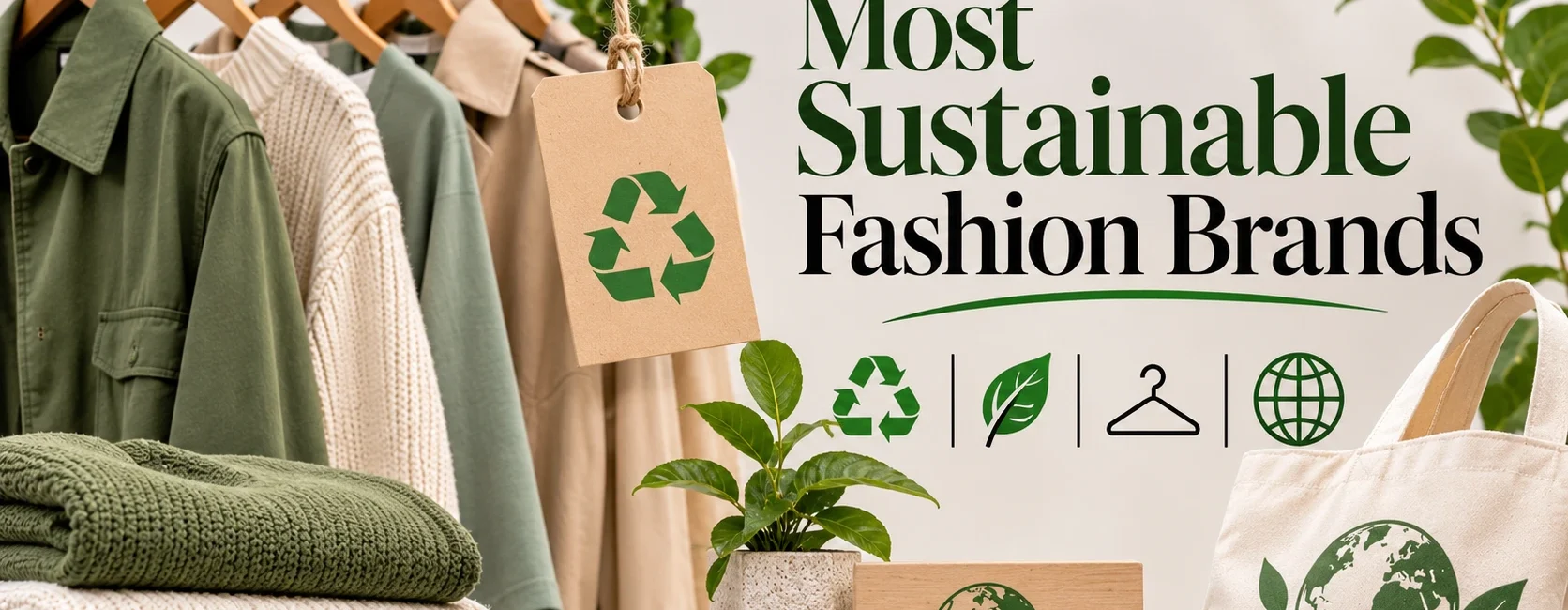
If you have ever stood in a fitting room wondering whether that “eco-friendly” tag means anything, you are not alone. The most sustainable fashion brands share a few traits: they publish where their clothes are made, they use certified materials, and they help you keep garments in use for years.
Why Sustainable Fashion Matters Right Now
Clothing is one of the easiest places to make a difference, because most of us buy it constantly. Estimates of the industry’s share of global greenhouse gas emissions vary, but United Nations figures put it somewhere between 2 and 8 percent. That range is wide because supply chains are messy and data is hard to verify, which is exactly why transparency matters so much.
Waste is the other half of the story. The Ellen MacArthur Foundation has reported that less than 1 percent of the material used to make clothing is recycled into new clothing, and the US Environmental Protection Agency has estimated that roughly 11 million tons of textiles ended up in American landfills in a single recent measurement year. Those numbers explain why brands focused on durability, repair and take-back programs deserve more attention than those simply swapping one fabric for another.
None of this means you need to overhaul your closet overnight. It means that every purchase is a small vote for how clothes should be made, and a few thoughtful choices add up faster than most people expect.
How We Judge the Most Sustainable Fashion Brands
Before naming names, it helps to know what separates real progress from clever marketing. Vague words like “conscious” or “green” are not regulated in most markets, so we look for proof that can be checked independently. A brand that shares factory names, certifications and honest shortfalls is almost always more trustworthy than one with a glossy sustainability page and no numbers.
Certifications That Carry Weight
Third-party labels give you something concrete to verify. B Corp certification evaluates a company’s overall social and environmental performance, Fair Trade Certified focuses on worker pay and conditions, and GOTS covers organic fibers and processing. Each has limits, but together they filter out a lot of empty claims.
Independent Ratings
Platforms such as Good On You rate thousands of brands across their impact on people, the planet and animals, using a simple five-point scale from “We Avoid” to “Great.” Ratings are updated periodically, so treat them as a strong starting point and check the date on any brand profile before you buy.
Longevity and Care
The greenest garment is usually the one that stays in your wardrobe for a decade. Brands that offer free repairs, resale channels or take-back schemes are acknowledging that a product’s life does not end at checkout, and that is a meaningful sign of commitment.
Standout Brands Leading the Way
The names below appear again and again in independent ratings and industry roundups, and each one has a clear point of difference. None is perfect, and the better ones openly say so.
Patagonia: The Outdoor Benchmark
Patagonia has been making outdoor gear since 1973 and remains the reference point for corporate responsibility in fashion. It uses recycled and organic materials widely, pledges one percent of sales to environmental groups through 1% for the Planet, and runs Worn Wear, a program that repairs and resells used items. In 2022 founder Yvon Chouinard moved ownership into a trust and nonprofit structure so that profits not reinvested in the business go toward fighting climate change.
Eileen Fisher: Circular Minimalism
Eileen Fisher designs quiet, long-lasting womenswear and has been a Certified B Corporation since 2015. Its Renew program takes back worn pieces to be resold or remade, which keeps clothes out of landfill and gives them a second life. If you like clean lines and neutral palettes, this is a brand where the design and the ethics point in the same direction.
Veja: Sneakers With a Clear Supply Chain
Founded in France in 2005, Veja became popular for sneakers made with organic cotton, wild Amazonian rubber and other responsibly sourced materials. The company publishes details about its sourcing and has been open about areas where it is still improving, which is rarer than it should be. For anyone hunting for comfortable everyday sneakers that actually last, it is a sensible place to start.
Pact and Kotn: Honest Everyday Basics
Pact focuses on affordable organic cotton essentials made in Fair Trade Certified factories, which makes sustainable shopping far more approachable for tighter budgets. Kotn, a Canadian label, works directly with farming communities in Egypt to produce high-quality cotton staples. Both brands prove that sustainable does not have to mean expensive or fussy.
Outerknown and Nudie Jeans: Menswear and Denim With Substance
Outerknown, co-founded by surfer Kelly Slater, emphasizes Fair Trade Certified production and supply chain transparency. Nudie Jeans leans on organic cotton and offers free repairs for life, which turns a pair of denim into a long-term companion rather than a seasonal purchase. If you are building around a dependable pair of dark denim, a repairable option like this makes the cost-per-wear very attractive.
People Tree and Stella McCartney: Fair Trade and Animal-Free Design
People Tree is among the earliest fair trade fashion pioneers, working with artisans and farmers since the early 1990s. Stella McCartney has built a luxury house without leather or fur and keeps pushing into newer, lower-impact materials. Between them, they show that ethical fashion can be both grassroots and high-end.
Quick Comparison of Top Picks
The table below summarizes what each brand is best known for. Price tiers are general guides, since sales and collections change throughout the year.
| Brand | Best For | Key Strength | Typical Price |
|---|---|---|---|
| Patagonia | Outdoor wear | Repair and resale through Worn Wear | $$$ |
| Eileen Fisher | Timeless womenswear | Renew take-back program, B Corp | $$$ |
| Veja | Sneakers | Organic cotton and wild rubber | $$ |
| Pact | Basics | Fair Trade Certified organic cotton | $ |
| Kotn | Cotton staples | Direct farm partnerships in Egypt | $$ |
| Outerknown | Menswear | Fair Trade production, transparency | $$ |
| Nudie Jeans | Denim | Free repairs for life | $$ |
| People Tree | Fair trade fashion | Artisan and farmer partnerships | $$ |
How to Shop Sustainably Without Overspending
Buying from the most sustainable fashion brands is only one piece of the puzzle. What you already own matters just as much, and extending the life of those pieces is the cheapest eco-friendly move available. Before buying anything new, ask yourself whether you can wear it at least thirty times, because that simple test filters out most impulse purchases.
Secondhand shopping deserves a spot in the plan too. Resale platforms and brand-run programs like Worn Wear let you pick up quality pieces for less, and they keep clothing in circulation. Many shoppers also find that easy outfit formulas help them get more variety out of fewer garments, which reduces the urge to keep buying.
When you do buy new, choose versatile items in colors you already wear and care for them properly. Washing less, using cold water and air drying will extend the life of nearly any fabric. If you are curious about ways to restyle a basic tee you already own, a little creativity can make an old favorite feel brand new.
Spotting Greenwashing Before You Buy
Greenwashing happens when a company markets itself as more sustainable than its practices justify. A common version is a small “conscious collection” launched by a brand whose main business still relies on huge volumes of cheap, fast-turnover clothing. Marketing words alone are not evidence, so look for specific details such as named certifications, material percentages and published supplier lists.
It also helps to be wary of brands that celebrate recycled polyester while ignoring the microplastics those fabrics can shed in the wash. A more honest brand will acknowledge trade-offs and explain what it is doing about them. Ask yourself whether a company is telling you only the good news, because a sustainability report with no admitted weaknesses is usually a red flag.
Volume is the final clue. Even a well-meaning brand can undermine its own message if it releases new styles every week and encourages constant buying. The ones worth supporting tend to slow down, repair more and sell less aggressively.
Do Bigger Retail Names Belong in the Conversation?
Large fashion businesses can make a real difference simply because of their scale, and some have introduced take-back schemes and better material standards. Still, growth and sustainability pull in opposite directions, so it pays to read their claims with care. Readers curious about how one Canadian label grew into a global wardrobe name can see how fast a brand’s footprint can expand, which is a useful reminder to look past polished branding.
The practical takeaway is simple. Smaller, certified and transparent brands generally offer the clearest story, while larger ones should be judged by what they publish and what independent raters say rather than by their ad campaigns.
Final Thoughts
The most sustainable fashion brands are not defined by a single perfect material or a catchy slogan. They earn their reputation through transparency, independent certifications, durable design and services that keep clothes in use for as long as possible. Whether you start with Pact basics, a pair of Veja sneakers or a long-lasting Eileen Fisher piece, the goal is steady progress rather than perfection.
Start small, check the evidence, and wear what you buy for years. That approach protects your wallet, supports better working conditions and gives the planet a little breathing room with every thoughtful purchase.
Frequently Asked Questions
What makes a fashion brand truly sustainable?
A genuinely sustainable brand shows evidence across materials, labor conditions and product lifespan. Look for recognized certifications, published supplier information and programs such as repair or take-back. Honest acknowledgment of what is still unresolved is another good sign.
Are sustainable clothes always more expensive?
Not always, although the upfront price is often higher than fast fashion. Brands like Pact keep entry prices reasonable, and secondhand options can be cheaper still. Because durable pieces last longer, the cost per wear is frequently lower over time.
Is organic cotton really better for the environment?
Organic cotton avoids synthetic pesticides and fertilizers, and certified versions follow stricter processing standards. It is not a cure-all, since water use and transport still matter, but it is generally a meaningful improvement over conventional cotton. Certifications like GOTS help you verify the claim.
How can I check whether a brand is greenwashing?
Start with independent ratings from sources like Good On You and look for third-party certifications such as B Corp or Fair Trade Certified. Then read the brand’s own reports for specific numbers rather than vague promises. If a company talks loudly about one small collection but says little about its core business, be cautious.
Is buying secondhand more sustainable than buying new?
In most cases, yes, because it extends the life of garments that already exist and avoids the resources needed for new production. Resale works best when you buy things you will genuinely wear. Pairing secondhand finds with a few quality items from responsible brands is a balanced approach.
What is the best sustainable brand for beginners?
Beginners often do well with affordable basics from brands such as Pact or Kotn, since simple tees and layers get worn constantly. From there, you can add a signature piece like sneakers or outerwear from a brand with a strong repair or resale program. Building gradually keeps the process enjoyable instead of overwhelming.