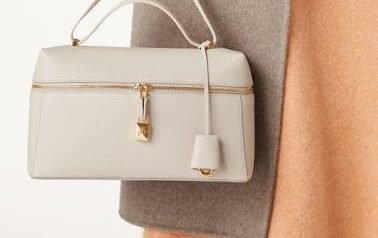
A Loro Piana bag doesn’t announce itself. There’s no monogram canvas, no oversized logo hardware, nothing that reads as a status symbol from across the room, and that restraint is precisely the point. Loro Piana became the unofficial uniform of “quiet luxury” specifically because its bags look understated up close and expensive only once you know exactly what you’re looking at.
What Is Loro Piana?
Loro Piana is an Italian luxury house founded in 1924, historically known first and foremost for textiles; the brand built its reputation by sourcing some of the rarest fibers in the world, including vicuña wool and its own “Baby Cashmere” (cashmere from the underdown of young cashmere goats). LVMH acquired an 80% stake in the company in 2013, and Loro Piana has since expanded well beyond outerwear and knitwear into a full leather goods and handbag line built on that same textile-first philosophy, meaning even its leather bags are often framed around a specific fiber, hide, or weave, rather than a logo.
The Signature Bag Collections
Extra Pocket is Loro Piana’s most recognized bag, and functionally its answer to the boxy, vanity-case-style bag trend that’s dominated luxury handbags in recent years. It’s built around a distinctive oversized two-way zip with signature charm pulls, and it’s offered across an unusually wide material range from wool-cashmere jacquard and cotton-viscose blends to exotic skins including lizard, ostrich, and alligator.
Extra Softy Bag is the newest addition to the lineup, launched for Spring/Summer 2026. It takes the boxy Extra Bag silhouette and elongates it into a softer, slouchier horizontal shape, removing the structured interior stiffness of earlier styles. It comes in two sizes (L33 and L44), a detachable strap connected via a sculptural bridge-hook mechanism, and Loro Piana’s three-dimensional gold padlock hardware, offered in a neutral palette (Fossil, Ancient Sandstone, Dark Chocolate Licorice, and Baby Cashmere).
Bale bag is described by the brand as fluid and soft in construction, leaning into a more relaxed, rounded silhouette than the structured Extra Pocket.
Needle bag balances a more structured silhouette with a soft, tactile leather finish, positioned between Loro Piana’s boxier and softer designs.
Ghiera Shopper and Ghiera Bag are newer, larger-format additions; the Ghiera Shopper in particular has drawn comparisons to Hermès’s Garden Party tote for its roomy, everyday-luxury positioning, featuring an adjustable belt detail that can reshape the bag’s silhouette.
Sesia and Micro Sesia round out the range as more compact, rounded tote-style options.
What a Loro Piana Bag Actually Costs
Pricing varies dramatically by material, and understanding that spread matters more here than with most luxury brands, since the same silhouette can be priced radically differently depending on what it’s made from.
| Bag / Material | Approx. U.S. Retail Price |
|---|---|
| Extra Pocket L19, viscose/cotton jacquard | ~$3,900 |
| Extra Pocket L19, ostrich leather | ~$7,200 |
| Extra Pocket L19, lizard leather | ~$8,070 |
| Extra Pocket L19, alligator (resale/secondary market equivalents) | $9,800–$18,000+ |
| Extra Softy Bag (calfskin/satin, L33/L44) | Priced in a comparable upper-range bracket to fabric Extra Pocket styles, varying by material and size |
Fabric and smooth calfskin versions represent the accessible entry point into the brand’s bag lineup; exotic skins (lizard, ostrich, alligator) push well into five figures. This spread is worth understanding before shopping, since two bags that look similar in photos can differ in price by tens of thousands of dollars purely based on hide.
What Actually Justifies the Price
A few things genuinely differentiate Loro Piana’s leather goods from typical luxury handbag pricing:
- Material sourcing is the brand’s core identity vicuña and Baby Cashmere are among the rarest, most labor-intensive fibers in textile production, and that sourcing standard carries over into how the brand selects leathers and exotic skins for its bags.
- Restrained hardware as the brand signifier: rather than a printed monogram, the three-dimensional gold padlock and Ghiera charm function as the brand’s “signature” the way a monogram does for other houses, just without visible branding.
- Made in Italy production, consistent with the brand’s broader manufacturing standard.
- A deliberately narrow design language: most Loro Piana bags share a restrained, boxy-to-slouchy design vocabulary rather than chasing seasonal logo trends, which is part of why the brand has become closely associated with the broader “quiet luxury” and “old money aesthetic” style movements in recent style coverage.
A Recent Chapter Worth Knowing Before You Buy
In July 2025, a Milan court placed Loro Piana under judicial administration for one year following an investigation into labor practices at unauthorized subcontractors in its supply chain. According to Reuters reporting covered widely at the time, investigators found that production had been passed through a subcontractor to further unauthorized workshops employing undocumented workers under illegal conditions, including excessive hours and inadequate pay. Loro Piana stated it was not informed of these subcontractors’ existence and terminated the relevant supplier relationship within 24 hours of being made aware. The company became the fifth major Italian luxury house to face similar judicial oversight amid a broader crackdown on labor practices across the sector.
According to reporting from April 2026, Loro Piana’s judicial administration concluded early, ahead of its original 12-month schedule, with the court citing the “virtuous approach” the company undertook during the monitoring period, including a reported 2,400 supplier audits and the termination of relationships with more than 100 suppliers and subcontractors found not to meet standards. This is a meaningful, recent piece of the brand’s current story, and worth knowing regardless of which side of the “does this affect my purchase decision” question you land on; the facts here are a matter of public record rather than a marketing narrative.
Is a Loro Piana Bag Worth It?
Worth considering if:
- You value understated design over visible branding and want a piece that reads as expensive primarily to people who already recognize the details.
- You’re drawn to a specific material (exotic skin, cashmere-wool jacquard) and view the purchase partly as an investment in that craftsmanship.
- You want a bag that isn’t tied to a specific season’s logo trend and will likely still look current in a decade.
Probably not the right fit if:
- You want your bag’s brand and value to be immediately recognizable to a general audience. Loro Piana’s whole design philosophy works against that.
- Budget flexibility matters, and you’re choosing primarily based on cost efficiency: entry-level fabric styles start near $3,900, well above most non-exotic competitor bags in a similar category.
- You specifically want a piece from a brand with a cleaner recent supply-chain track record, and this history is a dealbreaker for you.
Where to Buy and How to Avoid Counterfeits
Loro Piana bags are sold through the brand’s official website, standalone boutiques, and a small number of authorized luxury department stores. Given the brand’s minimal external branding, counterfeits and misrepresented resale listings are a genuine risk. Buy from Loro Piana directly, an authorized retailer, or a reputable resale platform with an authentication guarantee (established resale marketplaces specializing in luxury goods typically offer this). Because Loro Piana bags carry relatively little visible logo branding, authentication generally relies more heavily on stitching quality, hardware weight and engraving precision, and the specific interior lining and stamping details all reasons to lean on a platform with real authentication expertise rather than judging by eye alone if buying secondhand.
Caring for a Loro Piana Bag
Per the brand’s own published care guidance: avoid overfilling the bag to help it retain its shape, and keep it away from prolonged contact with cosmetics, perfume, and other substances that could transfer color onto the material. Keep bags away from direct sunlight, heat, and damp conditions for extended periods. If the leather becomes dirty or wet, gently wipe the affected area with a soft, light-colored cotton cloth rather than using soap or solvents, and use a professional cleaning service for more significant issues, particularly on bags with delicate exotic-skin details. For storage, keep the bag upright inside its dust bag with cedar balls or moth repellent, use a purse pillow or stuff the interior with paper to help it hold its shape, and roll rather than fold the shoulder strap when it’s not in use.
How Loro Piana Compares to Other Quiet-Luxury Bag Brands
Loro Piana sits alongside brands like Bottega Veneta and The Row in the broader “quiet luxury” bag category, houses that intentionally minimize visible branding in favor of material quality and construction as the primary status signal. The distinction across these three is largely one of design language: Bottega Veneta leans into its woven leather intrecciato technique as its signature, The Row leans into extreme minimalism and clean silhouettes, and Loro Piana leans into its textile heritage, restrained hardware, and unusually broad exotic-material range within a single style like the Extra Pocket.
If you’re weighing a Loro Piana purchase alongside other investment-grade accessories more broadly, our look at why Patek Philippe dominates luxury fashion conversation covers a similar “quiet but recognized” positioning in the watch category, and our breakdown of Van Cleef & Arpels bracelets offers a useful comparison point for how another design house prices craftsmanship and material rarity into a similarly understated accessory. And if you’re figuring out how a statement piece like this fits into a broader outfit, our guide to styling jewelry and accessories with outfits covers proportion and restraint principles that apply directly to wearing a minimal-branding luxury bag well.
Frequently Asked Questions
How much does a Loro Piana bag cost?
Prices range from roughly $3,900 for fabric or cotton-viscose versions of the Extra Pocket up to $7,000–$8,000+ for exotic leathers like ostrich and lizard, with rare skins like alligator commanding significantly more on the resale market.
What is Loro Piana’s most iconic bag?
The Extra Pocket is Loro Piana’s most recognized and widely stocked bag, known for its oversized two-way zip and broad range of material options.
Does LVMH own Loro Piana?
Yes. LVMH acquired an 80% stake in Loro Piana in 2013, and the brand operates within LVMH’s broader luxury portfolio.
What’s new from Loro Piana in 2026?
The Extra Softy Bag, an elongated, slouchier reinterpretation of the brand’s boxy Extra Bag silhouette, launched for Spring/Summer 2026 in two sizes with a new bridge-hook strap mechanism.
Was Loro Piana involved in a labor controversy?
Yes. In July 2025, a Milan court placed Loro Piana under judicial administration for one year following findings of labor exploitation at unauthorized subcontractors in its supply chain. The company stated it was unaware of the issue and ended the relevant supplier relationship immediately upon discovery; the judicial administration concluded early in 2026 following an audit and supplier-oversight process.
Why don’t Loro Piana bags have visible logos?
The brand’s design philosophy centers on restrained, monogram-free luxury, using signature hardware details (like its gold padlock and Ghiera charm) rather than visible branding as its identifying signature, a core part of its association with the “quiet luxury” aesthetic.
How can I tell if a Loro Piana bag is authentic?
Because the brand uses minimal external branding, authentication relies more on stitching quality, hardware weight and engraving, and interior lining details than on an obvious logo. Buying from an authorized retailer or a resale platform with dedicated authentication services is the safest approach.