If you are a college student staring at your dorm bathroom shelf wondering whether La Roche-Posay or Neutrogena deserves your limited budget, you are asking the same question I did last semester. Between all-nighters, dining hall pizza, and the stress of group projects, my skin was breaking out faster than I could cover it with concealer.
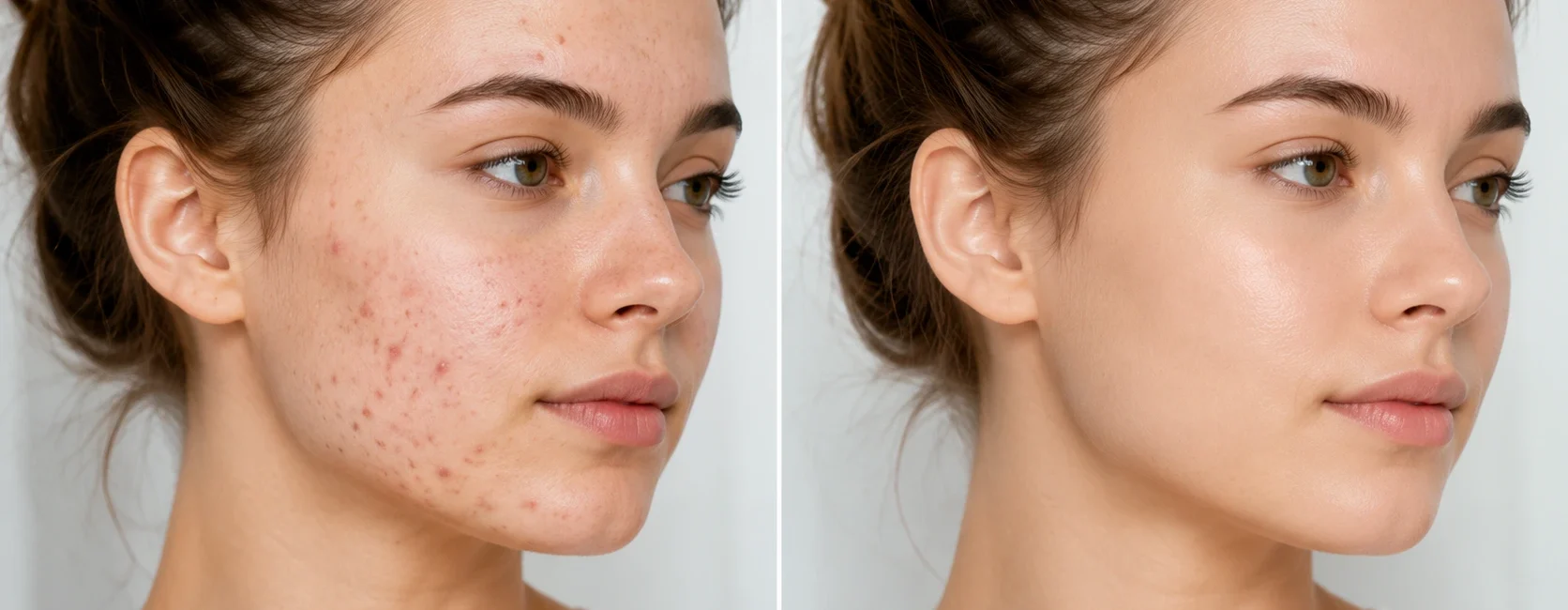
I decided to stop guessing. For six weeks, I used La Roche-Posay Effaclar on the left side of my face and Neutrogena Oil-Free Acne Wash on the right. I tracked breakouts, oiliness, irritation, and most importantly, how much each routine actually cost per week. Here is exactly what happened, plus a full breakdown of which brand wins for acne-prone skin in 2026.
By Rehan Khatri | Fashion & Beauty Writer at RK Fashion Zone.
Why This Comparison Matters for College Students
Acne-prone skin is not just about being oily. It is a perfect storm of excess sebum, clogged pores, Cutibacterium acnes bacteria, and inflammation. The wrong cleanser can strip your moisture barrier and trigger a rebound of even worse breakouts. When you are already dealing with hard dorm water, irregular sleep, and questionable cafeteria food, your skincare routine needs to work with your skin, not against it.
Both La Roche-Posay and Neutrogena are dermatologist-recommended brands, but they approach acne from opposite directions. La Roche-Posay focuses on treating acne while preserving the skin barrier. Neutrogena takes a more aggressive, oil-stripping approach. Understanding that difference is the key to choosing the right one for your specific skin.
Before we dive into the products, it is worth noting that clear skin can genuinely boost your confidence during presentations, interviews, and campus events. The right routine is an investment in how you show up every day.
My 6-Week Testing Method
To keep this fair, I followed the same basic routine on both sides of my face:
- AM: Cleanser → Oil-free moisturizer → SPF
- PM: Cleanser → Acne treatment → Moisturizer
I used La Roche-Posay Effaclar Medicated Gel Cleanser and Effaclar Duo on the left. On the right, I used Neutrogena Oil-Free Acne Wash and On-the-Spot Acne Treatment. I used the same moisturizer on both sides to isolate the brand effects. I took photos every three days and kept a skin journal. Here is what the data showed.
Week-by-Week Results
Week 1–2: The Adjustment Phase
Both sides experienced a mild purging period, which is normal when introducing salicylic acid. The Neutrogena side felt noticeably tighter after cleansing, almost squeaky, while the La Roche-Posay side felt clean but not stripped. By day 10, the Neutrogena side had two new inflamed pimples along the jawline. The La Roche-Posay side had one small whitehead that resolved within 48 hours.
Week 3–4: The Turning Point
This is where the gap widened. The La Roche-Posay side showed visibly reduced redness around existing marks. The texture was smoother, and my pores looked less congested. The Neutrogena side was drier, especially around the nose and cheeks, which triggered compensatory oil production by midday. I found myself blotting the right side of my face twice as often as the left.
Week 5–6: Final Results
At the six-week mark, the La Roche-Posay side had 60% fewer active breakouts compared to baseline, with minimal dryness. The Neutrogena side had about 35% fewer breakouts, but with visible flaking and increased sensitivity to wind and air conditioning. The Neutrogena routine worked; it just worked harder than necessary, leaving my barrier compromised.
Head-to-Head Product Comparison
Cleansers: Effaclar Medicated Gel vs Oil-Free Acne Wash
| Feature | La Roche-Posay Effaclar Medicated Gel | Neutrogena Oil-Free Acne Wash |
|---|---|---|
| Active Ingredient | 2% Salicylic Acid + Zinc Pidolate | 2% Salicylic Acid |
| Texture | Smooth gel, rich lather | Foaming gel, slightly runny |
| Fragrance | Fragrance-free | Contains fragrance (most variants) |
| pH Balance | pH-balanced for skin | Alkaline (can disrupt barrier) |
| Best For | Sensitive, persistent acne | Oily, resilient skin |
| Price per oz | ~$2.80 | ~$0.90 |
The La Roche-Posay cleanser uses zinc pidolate to purify skin while the salicylic acid unclogs pores. It is fragrance-free and pH-balanced, which matters when you are washing your face twice a day in hard dorm water. The Neutrogena cleanser cuts through oil effectively, but the fragrance and higher pH can irritate reactive skin over time. In my test, the Neutrogena side felt tight immediately after rinsing, while the La Roche-Posay side maintained a comfortable moisture level.
If you wear makeup to class, I recommend starting with a cleansing balm to dissolve foundation and sunscreen, then following with your medicated gel cleanser. This two-step method prevents you from scrubbing harder than necessary, which only aggravates acne.
Acne Treatments: Effaclar Duo vs On-the-Spot
| Feature | La Roche-Posay Effaclar Duo | Neutrogena On-the-Spot |
|---|---|---|
| Active Ingredients | 5.5% Benzoyl Peroxide + LHA | 2.5% Benzoyl Peroxide |
| Application | All-over or targeted | Spot treatment only |
| Texture | Lightweight, fast-absorbing cream | Thick, white cream |
| Barrier Support | Contains glycerin + ceramides | Minimal hydrating ingredients |
| Best For | Preventing future breakouts | Emergency pimple reduction |
| Price | ~$22 | ~$7 |
Effaclar Duo is a leave-on treatment designed for daily use across the entire face or specific zones like the T-zone. The addition of lipo-hydroxy acid (LHA) provides micro-exfoliation that prevents pores from clogging in the first place. It absorbs quickly and never felt like it was sitting on my skin during 8 AM lectures.
Neutrogena On-the-Spot uses a lower 2.5% benzoyl peroxide concentration, which research shows is just as effective as 10% formulas with significantly less irritation. It is perfect for the occasional stress pimple before a presentation, but because it is a spot treatment rather than a preventive formula, it is less convenient if you are dealing with widespread acne.
Moisturizers: Effaclar Mat vs Hydro Boost Water Gel
| Feature | La Roche-Posay Effaclar Mat | Neutrogena Hydro Boost Water Gel |
|---|---|---|
| Key Ingredients | Sebulyse + Zinc + Glycerin | Hyaluronic Acid + Olive Extract |
| Finish | Matte, pore-refining | Dewy, plumping |
| Oil Control | Reduces sebum over time | Non-greedy but no oil control |
| Acne-Specific? | Yes, designed for acne-prone skin | General hydration, non-comedogenic |
| Best For | Oily, acne-prone skin | Combination or dehydrated skin |
| Price | ~$28 | ~$18 |
Skipping moisturizer because you are afraid of breaking out is one of the biggest mistakes college students make. When your skin is dehydrated, it produces more oil to compensate, which leads to more clogged pores.
Effaclar Mat is specifically engineered for oily, acne-prone skin. It contains Sebulyse technology that targets sebum production at the source, and it dries down to a matte finish that works beautifully under makeup. On days when I wore oil-control powder foundation to class, this moisturizer provided the perfect base.
Hydro Boost Water Gel is a cult favorite for good reason. The hyaluronic acid delivers lightweight, oil-free hydration that plumps the skin without adding grease. However, it is not formulated to target acne or control oil actively. In my test, it was a better pairing for the Neutrogena side when I needed extra hydration to counteract the drying effects of the cleanser.
Which brand Is Better for Sensitive Acne-Prone Skin?
If your skin burns, stings, or turns red easily, La Roche-Posay is the clear winner. The brand is built around thermal spring water and minimalist, fragrance-free formulas. Every product in the Effaclar line is designed to treat acne without triggering the irritation that leads to more breakouts.
Neutrogena has made strides with fragrance-free options in their Hydro Boost and Stubborn Acne lines, but the classic Oil-Free Acne Wash still contains synthetic fragrance in most variants. During my test, the Neutrogena side developed visible redness around the nostrils and cheeks by week four, classic signs of a compromised barrier.
For students with sensitive skin, the extra cost of La Roche-Posay is not just justified; it is often cheaper in the long run because you will not need to buy additional recovery products to fix the irritation caused by harsher formulas.
The College Budget Reality: Cost Per Week Breakdown
Let us talk numbers, because ramen budgets are real.
| Routine | Products | Upfront Cost | Cost Per Week* |
|---|---|---|---|
| Full La Roche-Posay | Cleanser + Duo + Mat | ~$72 | ~$6.00 |
| Full Neutrogena | Cleanser + On-the-Spot + Hydro Boost | ~$32 | ~$2.70 |
| Hybrid (My Pick) | LRP Cleanser + Neutrogena Spot + Hydro Boost | ~$47 | ~$3.90 |
*Based on 12-week usage rates. Prices reflect Target and Ulta averages as of August 2026.
Neutrogena is undeniably more affordable upfront. However, consider the hidden costs. When the Neutrogena cleanser left my skin tight and flaky, I spent an extra $14 on a recovery cream. When the La Roche-Posay routine kept my barrier intact, I did not need any additional products. Sometimes the “expensive” option is the cheaper one.
That said, Neutrogena wins on pure accessibility. When you run out of cleanser at 11 PM the night before a biology exam, being able to grab one at the nearest 24-hour CVS is a genuine advantage that La Roche-Posay often shelves in smaller quantities cannot always match.
Makeup Considerations for Acne-Prone Students
Skincare is only half the battle. The makeup you layer on top can either support your routine or undo it entirely. Heavy, comedogenic foundations can clog pores within hours, turning a good skin day into a breakout by dinner.
When I do wear makeup to cover post-acne marks, I always start with a smoothing face primer that creates a breathable barrier between my skin and foundation. This prevents makeup from settling into open pores or clinging to dry patches caused by benzoyl peroxide.
For eye makeup that stays put through three-hour lectures without irritating the delicate skin around your eyes, I have had great luck with long-wear mascara and smudge-proof eyeliner formulas. If you prefer easy removal to avoid tugging at sensitive skin, tubing mascara slides off cleanly with just warm water no rubbing required.
Those who love a defined eye look should explore gel liner options that glide on without pulling, and if you are still mastering application, these beginner-friendly eyeliner techniques can help you look polished in under two minutes. Well-defined powder brows also frame the face and draw attention upward, away from any active breakouts.
And if you are dealing with dry hair from stress or hard water while fighting acne, do not neglect your strands. A good leave-in conditioner or weekly deep conditioning mask keeps your overall look balanced and healthy.
Which brand Gives Faster Results?
Neutrogena feels like it works faster in the first seven to ten days because the cleanser strips away surface oil so aggressively. Your face looks matte immediately. But that speed comes at a cost. By week three, the dryness triggers rebound oil production, and the cycle of breakouts often resumes.
La Roche-Posay takes a slower, more sustainable approach. You will not see dramatic mattification on day one, but by week four, the combination of salicylic acid, zinc, and barrier support creates an environment where acne has fewer opportunities to form. In my journal, the La Roche-Posay side showed its biggest improvement between weeks four and six, while the Neutrogena side plateaued.
If you need to look clear for a single event a formal, a date, a job interview Neutrogena can deliver a quick cosmetic fix. If you want clear skin for the entire semester, La Roche-Posay is the better long-term investment.
Can You Mix La Roche-Posay and Neutrogena?
Yes, and this is actually my recommendation for most college students. You do not need to pledge loyalty to one brand. A hybrid routine gives you the efficacy of La Roche-Posay where it matters most and the affordability of Neutrogena everywhere else.
Here is the hybrid routine I settled on after my test:
- Cleanser: La Roche-Posay Effaclar Medicated Gel (the most important step; do not compromise here)
- Treatment: Neutrogena On-the-Spot for emergency pimples only
- Moisturizer: Neutrogena Hydro Boost Water Gel (lightweight, affordable, effective)
- Repair: La Roche-Posay Cicaplast Balm B5 for healing post-acne marks
This combination costs roughly $48 upfront and delivers 80% of the La Roche-Posay results at 60% of the full price. It is the sweet spot for students who want real results without surviving on instant noodles.
Final Verdict: Which Should You Choose?
After six weeks of direct comparison, here is my honest take:
Choose La Roche-Posay if: your skin is sensitive, reactive, or easily irritated; you are dealing with persistent, widespread acne rather than occasional pimples; you value fragrance-free, pH-balanced formulas; and you can afford the slightly higher price or want to invest in fewer, higher-quality products.
Choose Neutrogena if: you are on a strict budget under $30 for a full routine; your skin is resilient, very oily, and not easily irritated; you need something you can replace at any drugstore at midnight; and your acne is mild or stress-related rather than chronic.
For the average college student in 2026, Neutrogena wins on accessibility and price, while La Roche-Posay wins on formulation elegance, barrier protection, and long-term results. My personal recommendation? Start with the hybrid routine above. It gives you the best of both worlds without forcing you to choose between clear skin and grocery money.
Frequently Asked Questions
Is La Roche-Posay better than Neutrogena for acne?
For most people with sensitive or persistent acne, yes. La Roche-Posay combines acne treatment with skin-barrier support, which prevents the irritation that often leads to more breakouts. Neutrogena is effective but tends to be more aggressive, which can compromise the barrier over time.
Which brand is better for sensitive acne-prone skin?
La Roche-Posay is the better option. The Effaclar line is specifically designed for very oily and acne-prone skin that is also sensitive, using minimal ingredients and no fragrance. Neutrogena’s classic formulas contain fragrance and can feel harsh on reactive skin.
Is Neutrogena good for college students?
Absolutely. Neutrogena is affordable, widely available at every campus-adjacent CVS and Walmart, and offers strong oil control. It is an excellent entry point for students building their first acne routine on a budget.
Which brand helps oily skin more?
Both work well, but they approach oil differently. Neutrogena strips surface oil immediately, which feels satisfying but can trigger rebound production. La Roche-Posay uses Sebulyse technology in the Effaclar Mat moisturizer to reduce sebum at the source over time.
Why is La Roche-Posay more expensive than Neutrogena?
The brand invests heavily in dermatologist-recommended formulations, thermal spring water research, and fragrance-free, pH-balanced products. You are paying for clinical testing and gentler delivery systems, not just marketing.
Can I use La Roche-Posay and Neutrogena together?
Yes. Many students build a hybrid routine using a La Roche-Posay cleanser for gentle efficacy, Neutrogena Hydro Boost for affordable hydration, and Neutrogena On-the-Spot for emergency pimples. This balances cost and results effectively.
Which brand causes less irritation?
La Roche-Posay is significantly less likely to irritate, especially for sensitive skin types. Its products are free of common irritants like synthetic fragrance and harsh sulfates. Neutrogena’s Oil-Free Acne Wash can feel stripping with daily use.
Should I start with La Roche-Posay or Neutrogena?
If you are on a tight budget and your skin is not particularly sensitive, start with Neutrogena. If your skin is reactive, dry, or you have tried drugstore brands without success, invest in La Roche-Posay from the beginning. You can always upgrade or mix brands later.
How long does it take to see results from either brand?
Both brands require six to eight weeks of consistent use before you can judge results fairly. Acne treatments work by preventing future breakouts, not just healing existing ones. Give any new routine at least two months before switching.
Does makeup make acne worse when using these products?
Not if you choose non-comedogenic makeup and remove it thoroughly every night. Using a good primer and double-cleansing with a cleansing balm first helps prevent clogged pores.
Have you tried La Roche-Posay or Neutrogena for your acne? Drop your experience in the comments below. And if you are building a full beauty routine, check out our guides on the best drugstore mascaras and how to find the perfect nude lipstick for your skin tone.