
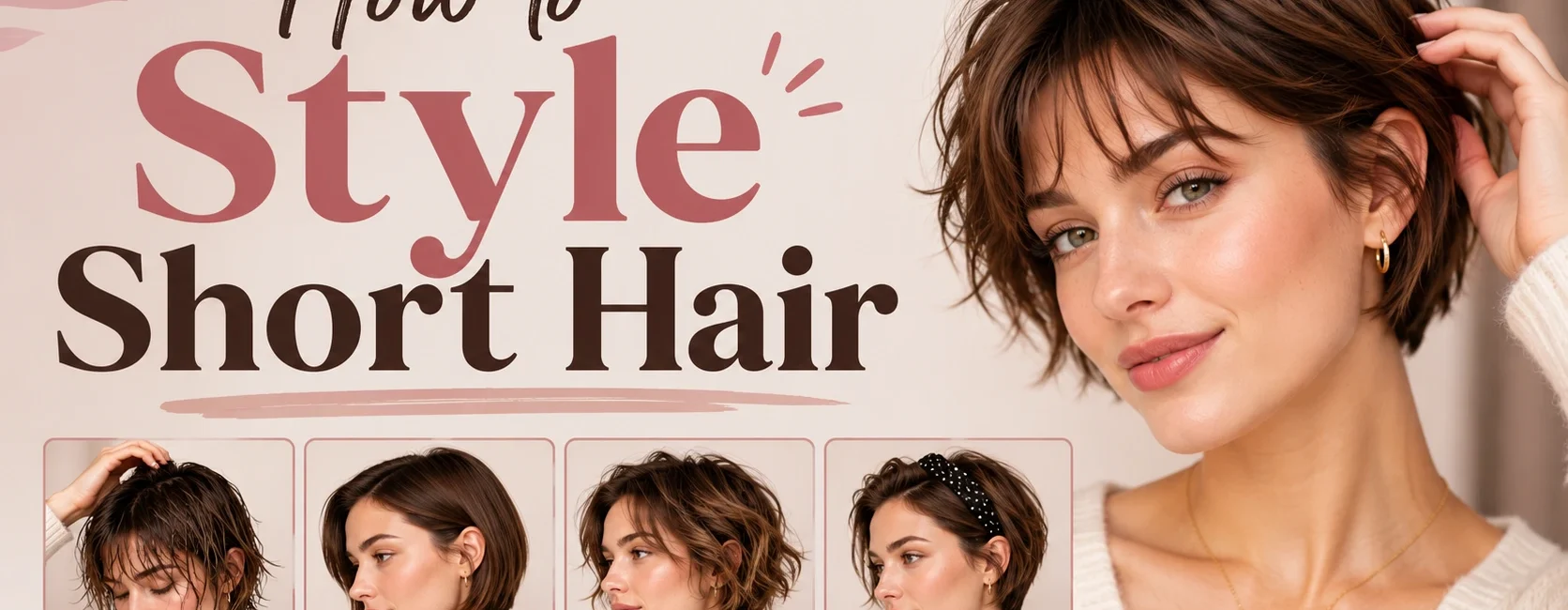
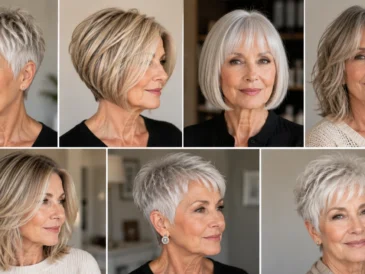
Short hair has fully taken over 2026, with the micro bob, the Italian bob, and the soft pixie all trending at once after years of long, mermaid-length waves dominating. But style short hair comes with a challenge long hair simply doesn’t have: it shows everything. Every product choice, every bit of extra weight, every flat spot reads instantly, since there’s so little length to hide behind or let gravity smooth out. The right technique and the right products make the difference between short hair that looks intentional and short hair that looks like you ran out of time.
By Rehan Khatri | Fashion & Beauty Writer at RK Fashion Zone.
Why Short Hair Needs a Different Styling Approach
Long hair forgives a heavy product; its own weight pulls strands into place regardless of what you put in it. Short hair has no such luxury. A cut that sits above the shoulders relies almost entirely on the product and technique behind it, which means every step has to genuinely earn its place rather than just adding bulk. Understanding this one difference changes how you should be shopping for products and approaching your daily routine.
The Essential Short Hair Styling Kit
You don’t need a dozen products to style short hair well, but a few specific categories genuinely do different jobs, and skipping one usually shows.
A lightweight texturizing or sea salt spray for everyday body and that lived-in, tousled texture that makes short hair look effortless rather than overly done. Apply to damp hair before blow-drying, or on dry hair for a quick texture refresh mid-day.
A mousse or volumizing powder for lift at the root. This is the single most important category for short hair specifically, since flat roots are the most common short-hair complaint. Volume powders in particular are worth knowing about: they’re reworkable throughout the day, meaning if your style drops, you can get your fingers back into the roots and rebuild the lift without starting over or reapplying product.
A clay, paste, or pomade for shaping and definition. This is where you create actual structure, piecing out layers, defining a fringe, or shaping the ends of a pixie. Clays generally give a more matte, natural finish, while pomades add shine and a slightly more polished look.
A flexible-hold finishing spray. Applied as the very last step before or after blow-drying, this locks the style in place without the stiff, crunchy feel of a stronger-hold hairspray, and adds a smoother, more polished finish, particularly useful for fighting humidity frizz.
A heat protectant is non-negotiable if you’re using any hot tools, since short hair is styled and re-styled more frequently than long hair and accumulates heat damage faster as a result.
A good rule for building this kit without overcomplicating your routine: one texturizing product for everyday body, one shaping product for definition, one volumizer for lift, and one finishing spray to lock it all in. That combination covers nearly every short style there is.
How to Style Short Hair by Cut
Pixie Cuts
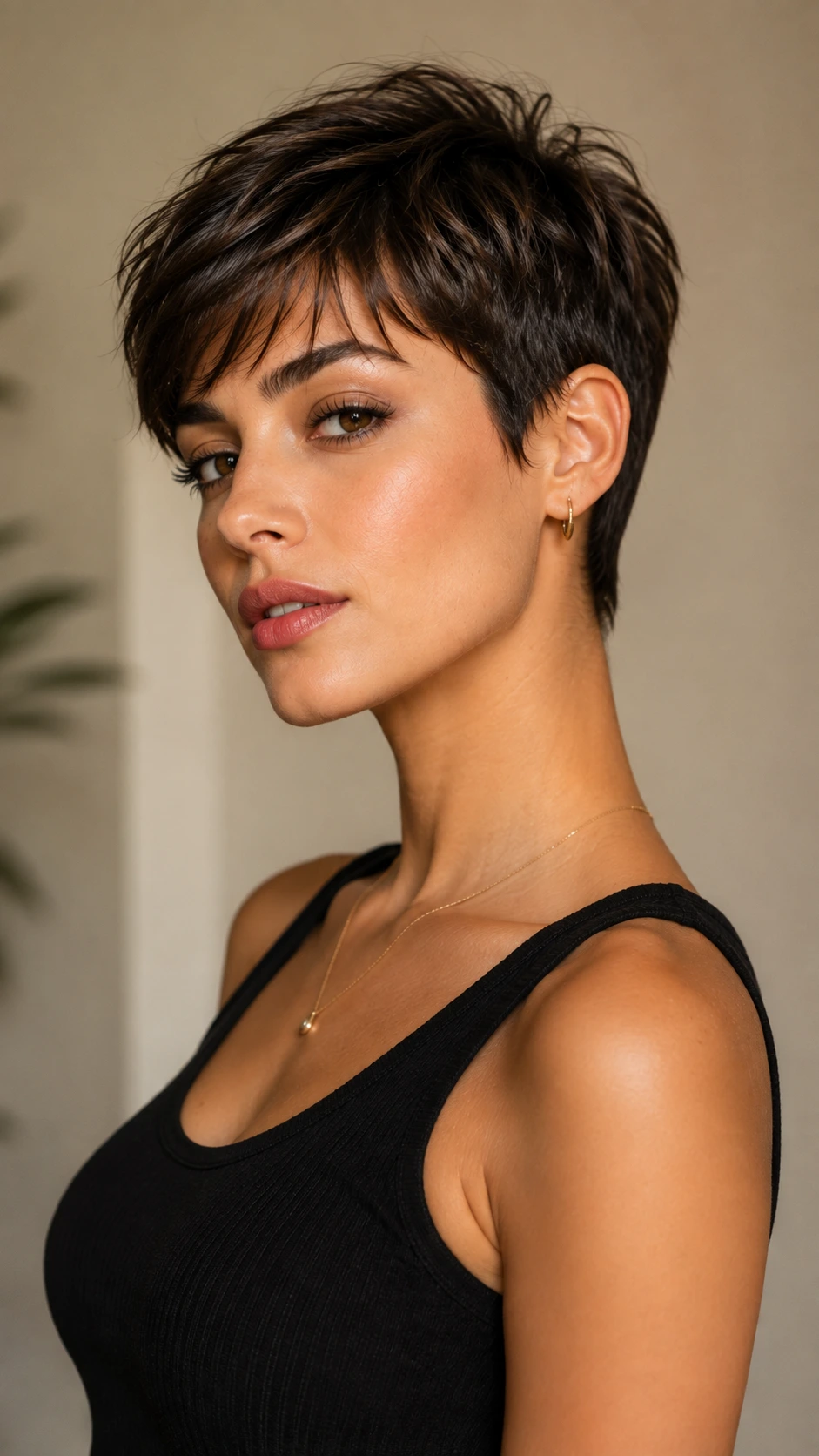
The key to a great pixie is texture at the crown and piece-y, defined ends, not a smoothed-down, helmet-like finish. Apply a small amount of volumizing mousse to damp roots before blow-drying with your fingers, lifting at the crown as you dry rather than brushing the volume flat. Once dry, work a small amount of clay or texturizing paste through the ends with your fingertips, twisting small sections to create definition and separation rather than combing through, which flattens the texture you just built.
Bobs and Lobs
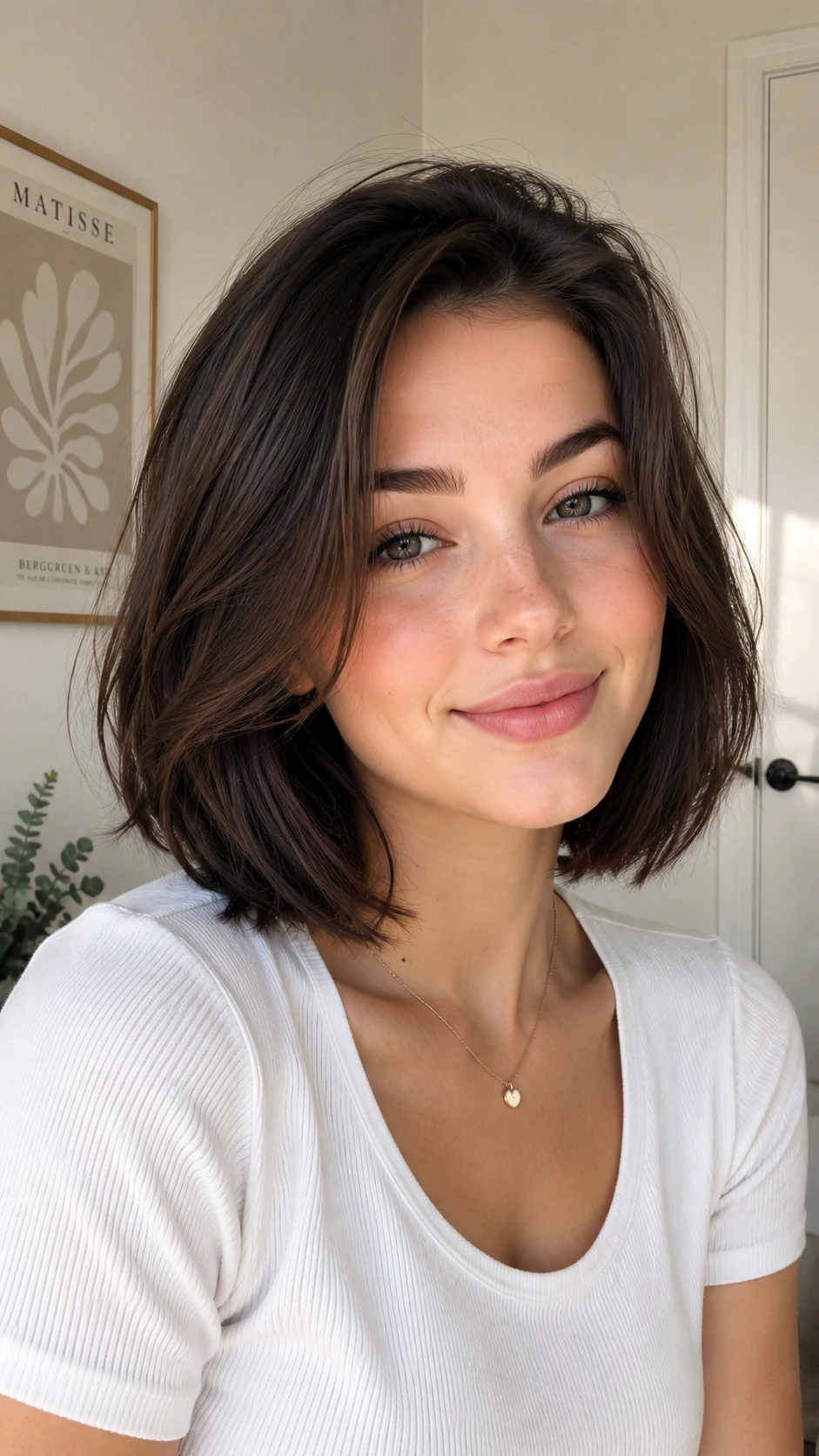
A blunt bob relies on smoothness and a clean line, while a textured or wavy bob benefits from movement and piecey ends, so identify which effect your specific cut is going for before reaching for product. For a sleek, polished bob, a lightweight smoothing serum applied to damp hair before a round-brush blow-dry gives the cleanest finish. For a more textured, lived-in bob, a sea salt or texturizing spray on dry or damp hair, scrunched rather than brushed through, creates the soft waves and separation that make the cut look intentionally undone rather than simply unstyled.
Curly Short Hair
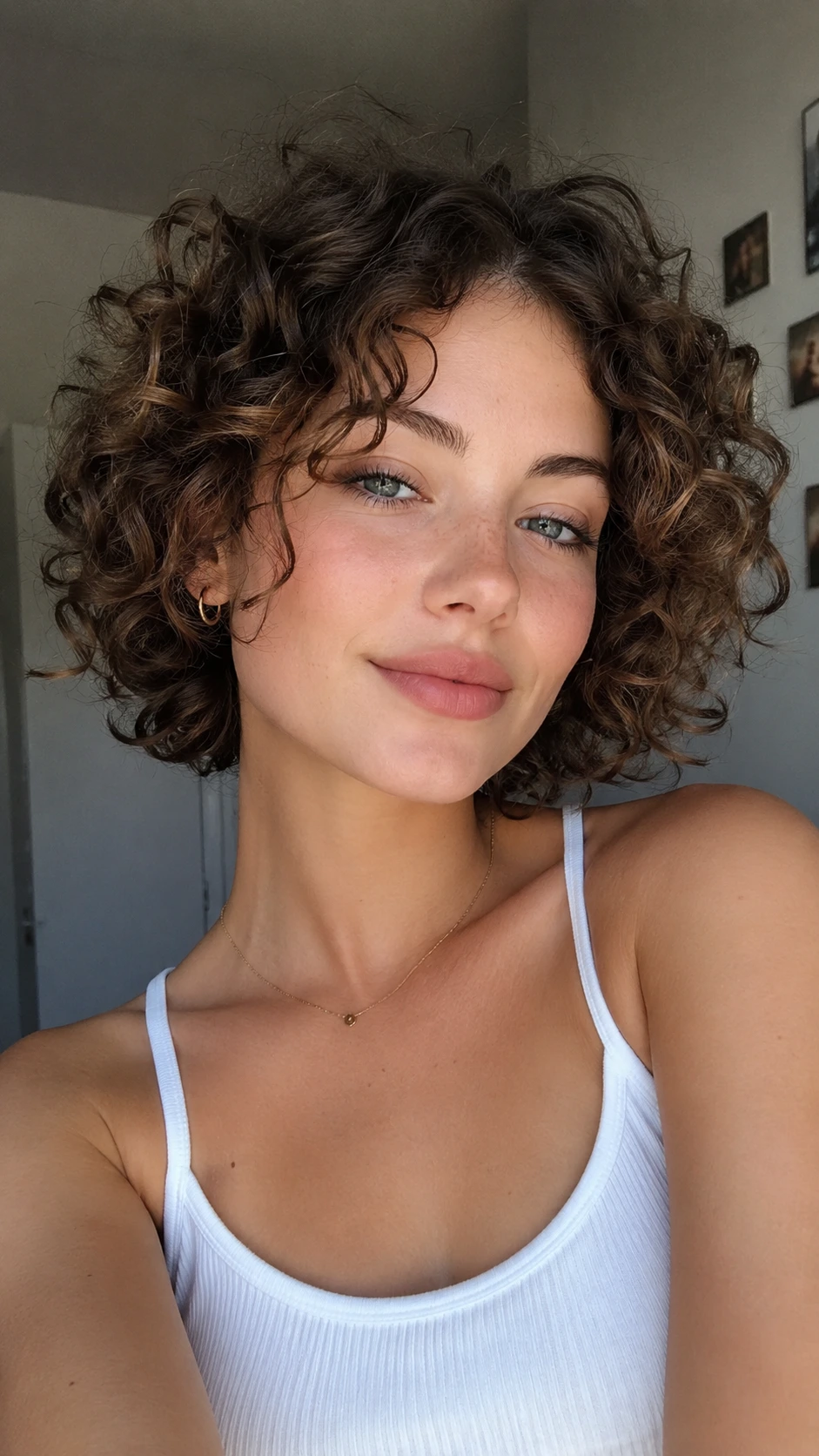
Curly short cuts need product applied to soaking wet hair, not damp, to get the most defined curl pattern with the least frizz. A lightweight, curl-defining cream or mousse worked through in sections, then air-dried or diffused on a low, cool setting, holds shape without the heaviness that weighs curls down and stretches them out over the course of the day. Avoid brushing curly short hair once it’s dry; this breaks up the curl pattern and creates frizz rather than smoothness.
Fine or Thin Short Hair
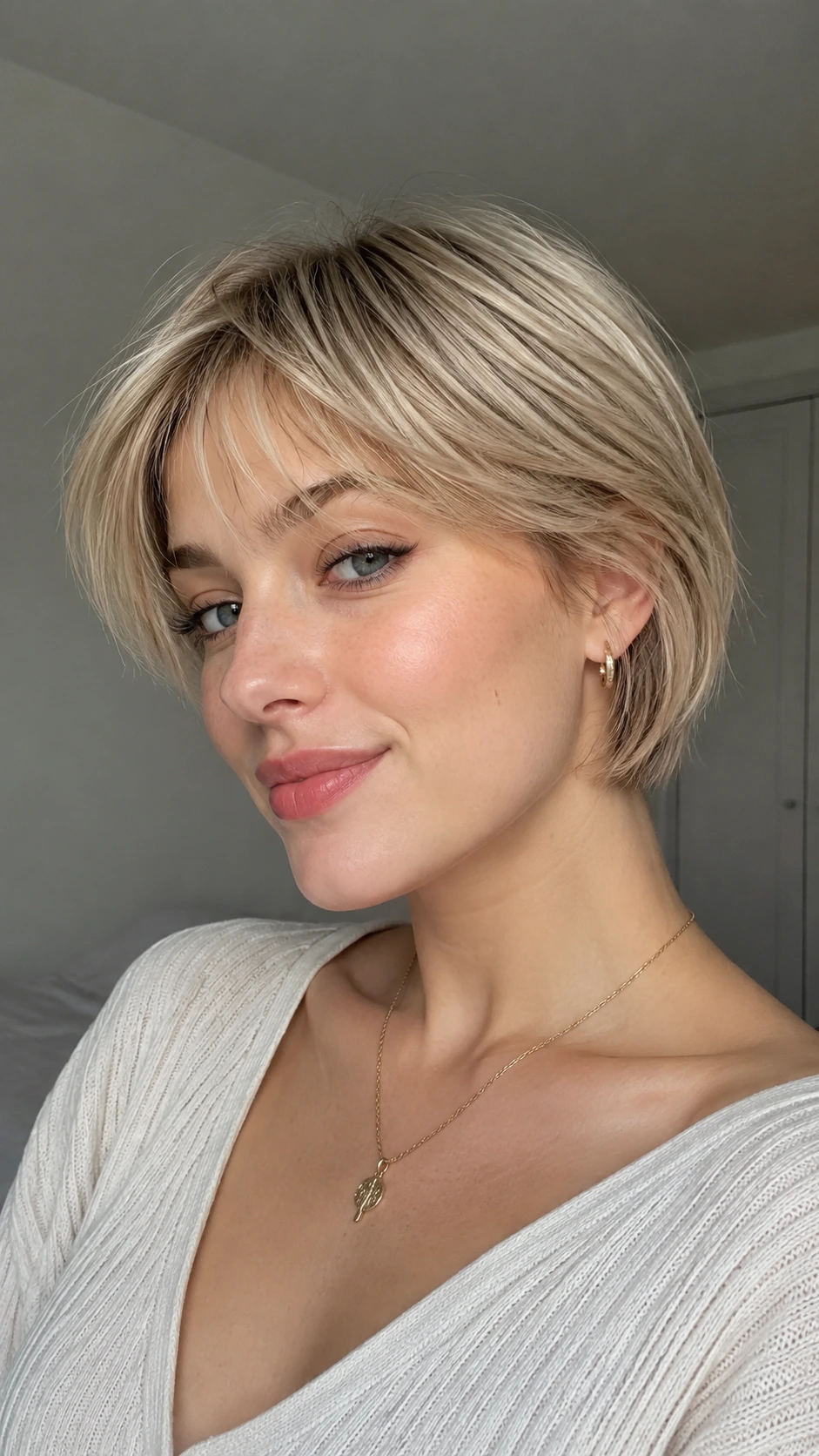
Fine hair is where technique matters most, since there’s little natural body to fall back on. Volumizing mousse or a powder-based product at the roots, applied sparingly and built up gradually rather than all at once, avoids the weighed-down look heavier creams can cause on finer strands. Blow-drying upside down, or lifting sections with a round brush directly at the root, adds meaningful volume that styling product alone often can’t achieve.
Men’s Short Styles (Textured Crops, Fades, and Classic Cuts)
For thicker or coarser hair, a heavier-hold clay worked thoroughly through to the roots, not just the surface, keeps texture separated and prevents the “helmet” look that can come with thick, short hair. For finer hair, a lighter matte cream in a smaller amount achieves the same textured effect without unnecessary weight. Across most current men’s short styles, textured crops, tapers, and fades, the goal is genuine strand separation and natural movement rather than a slicked-down, uniform finish, applied to slightly damp hair and worked through with fingers rather than a comb for the most natural-looking result.
Fixing the Most Common Short Hair Styling Problems
Flat roots by midday. Usually a sign of too much heavy product weighing down fine or thin strands, or not addressing the root area specifically during styling. Switch to a lightweight volumizing mousse or powder applied directly at the root, and consider a quick refresh with dry shampoo at the roots midday to restore lift without a full re-style.
Frizz, especially in humidity. A lightweight anti-humidity spray or serum applied as the final step, after styling is otherwise complete, is more effective than trying to fight frizz earlier in the process. Look for a weightless formula specifically, since heavier anti-frizz products can undo the volume you’ve already built at the roots.
Awkward growing-out phases. This is one of the most common frustrations with short hair, and the fix is usually more about technique than a full recut. A texturizing spray and a bit of clay to piece out the ends that are starting to lose their original shape can extend the life of a cut by several weeks before a fresh trim becomes necessary. Regular trims every 4 to 6 weeks, even small ones, help maintain the original shape and delay the point where growing-out becomes genuinely difficult to style.
Hair that won’t hold a style through the day. Often caused by skipping a proper base layer (mousse or a light gel on damp hair) before styling, relying on the finishing spray alone to do all the work. Building the hold in layers, starting with a foundation product on damp hair, shaping with a paste or clay once dry, then locking in with a flexible finishing spray, holds significantly longer than any single product used alone.
Caring for Short Hair Between Styling Sessions
Since short hair is styled and often heat-styled more frequently than long hair, keeping it genuinely healthy underneath all that product matters more than it might seem. A good leave-in conditioner protects against the repeated heat exposure that comes with more frequent styling, without weighing down fine or short strands the way a heavier rinse-out formula can. For deeper, weekly nourishment that won’t undo your styling routine, our roundup of the best deep conditioners includes lighter-weight options specifically noted for not flattening fine or short hair.
Short Hair for Fine Hair Over 60
If you’re specifically navigating fine, thinning hair alongside a shorter cut, the styling priorities shift slightly toward maximizing the appearance of density rather than simply adding texture. Our dedicated guide to low-maintenance hairstyles for fine hair covers specific cuts and styling approaches built around exactly this concern, including which short silhouettes create the most volume with the least daily effort.
Frequently Asked Questions
What products do I actually need to style short hair?
A texturizing or sea salt spray for everyday body, a volumizing mousse or powder for root lift, a clay or paste for shaping and definition, and a flexible-hold finishing spray to lock everything in place cover nearly every short hairstyle.
How do I add volume to short hair that falls flat?
Apply a volumizing mousse or powder directly at the roots on damp hair, then blow-dry upside down or lift sections with a round brush at the root specifically. Avoid heavy creams at the roots, which weigh fine or short hair down rather than lifting it.
How often should I get a trim to keep a short haircut looking good?
Every 4 to 6 weeks for most short cuts, since shorter styles grow out and lose their shape more visibly and more quickly than longer haircuts.
Can I style curly short hair without frizz?
Apply a curl-defining cream or mousse to soaking wet hair, not just damp, then air-dry or diffuse on a low, cool setting. Avoid brushing dry curly hair, which breaks the curl pattern and increases frizz rather than smoothing it.
What’s the difference between styling a pixie and styling a bob?
Pixies rely primarily on root volume and piecey texture at the ends, styled largely with fingers rather than a brush. Bobs depend more on the overall line, either smooth and polished or textured and wavy, depending on the specific cut, and generally involve more blow-drying technique for shape.
How do I style short hair as it grows out and loses its shape?
A texturizing spray combined with a small amount of clay to piece out ends that have lost definition can extend a cut’s styled appearance for several weeks. Regular small trims also help delay the more difficult growing-out stage.
Final Thoughts
Styling short hair well comes down to matching the right product category to the right job, texture for body, volume for lift, shaping product for definition, and finishing spray to hold it together, and applying each one with a technique suited to your specific cut. Once that system clicks, short hair stops being high-maintenance and starts being exactly what it’s supposed to be: fast, low-effort, and consistently polished.

4 Comments
[…] anyone pairing a bang style with a shorter overall haircut, our guide to styling short hair covers techniques for pixies, bobs, and lobs that a fringe is frequently cut […]
[…] you’re building out a broader hair care routine alongside dry shampoo, our guide to styling short hair covers which volumizing and texturizing products pair well with a dry shampoo refresh for shorter […]
[…] you’re exploring how texture and cut length change your overall look, our guide to styling short hair covers similar principles around proportion and face-framing that apply just as much to men’s […]
[…] more clearly on shorter cuts. If you’re weighing color alongside a length change, our guide to styling short hair covers how different short cuts interact with texture and […]