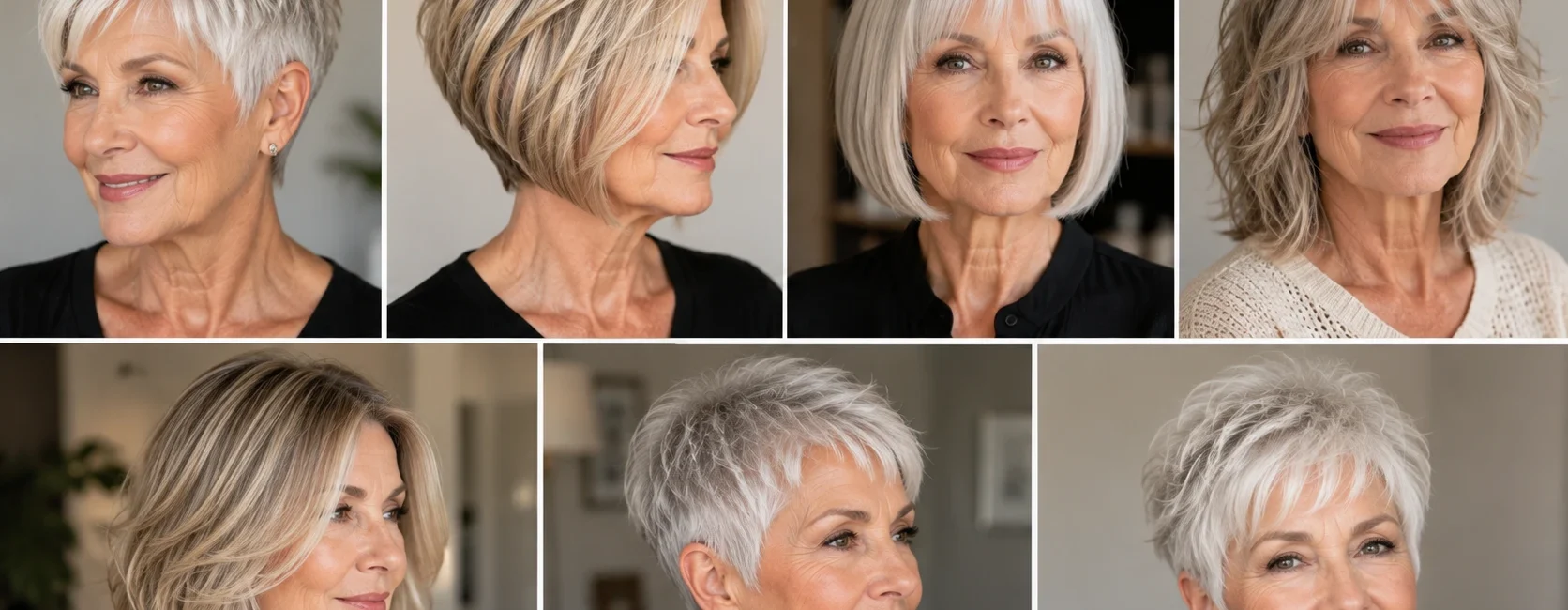
Fine hair changes in your sixties, and it’s not just in your head. Hormonal shifts around and after menopause, a naturally slower growth cycle, and years of styling all combine to leave hair feeling thinner, flatter, and harder to manage than it used to be. The good news is that the right haircut solves most of this without a single extension, expensive treatment, or extra styling tool. A cut that works with fine hair’s texture, rather than against it, can look fuller, move better, and take a fraction of the time to style every morning.
By RK Fashion Zone Editorial Team | A dedicated team researching and writing about modern fashion, beauty products, and practical outfit guides.
What “Low Maintenance hairstyles” Actually Means for Fine
Before getting into specific cuts, it’s worth defining the term properly, since “low-maintenance” means something different for fine hair than it does for thick or curly hair. For fine hair specifically, low-maintenance means:
- A cut that holds its shape with minimal daily styling ideally air-dry friendly or a five-minute blow-dry, not a full round-brush routine.
- Built-in volume from the cut itself, not from teasing, volumizing sprays, or extensions every single day.
- A shape that grows out gracefully, so you’re not back in the salon chair every three weeks just to keep it looking intentional.
- Minimal reliance on heat styling, since repeated heat exposure is especially damaging to fine, more fragile strands.
With that framework in mind, here are the seven cuts that consistently deliver on all four.
1. The Textured Pixie Cut
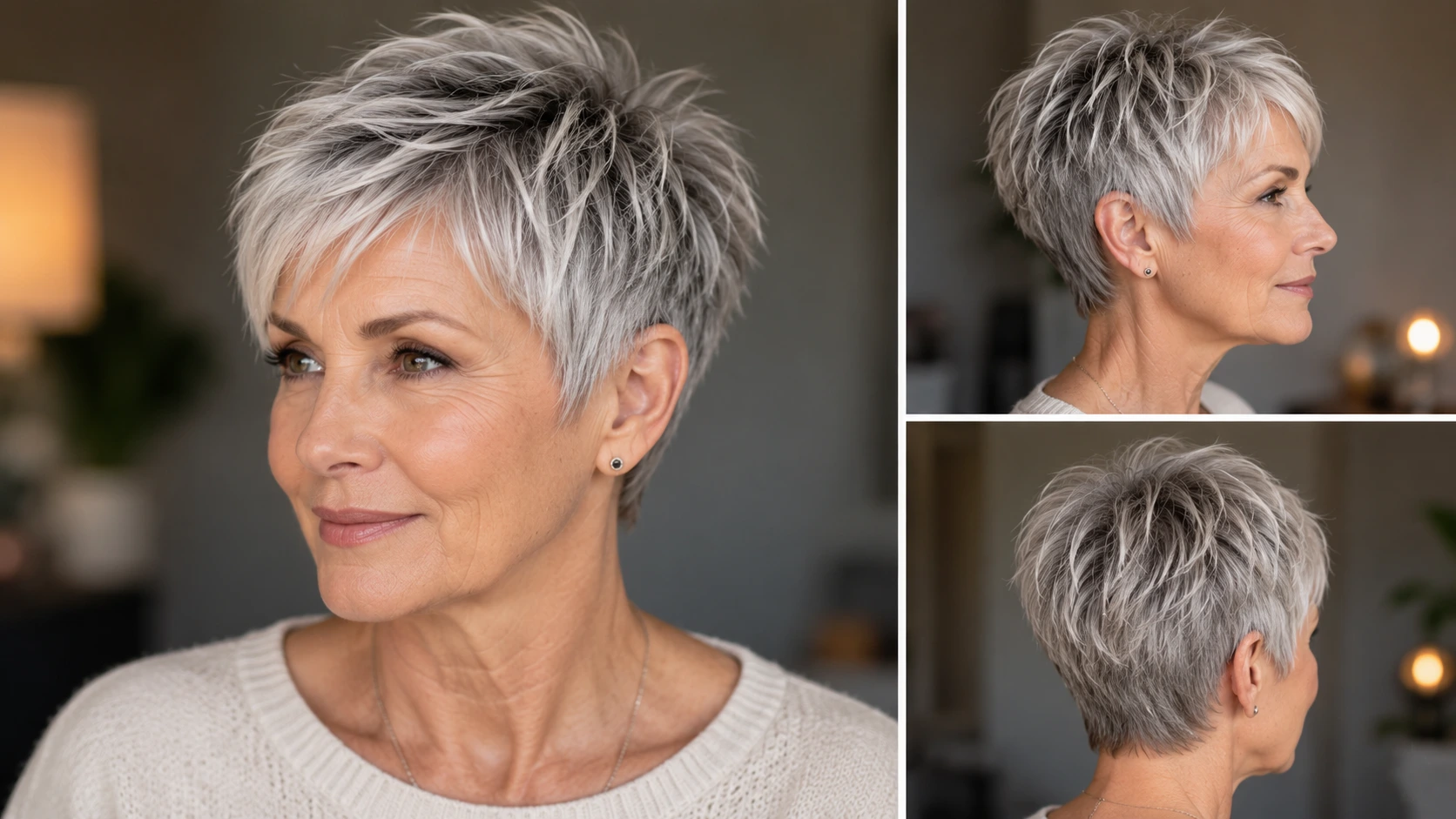
A textured pixie remains one of the single lowest-maintenance haircuts that exists, and it’s especially well-suited to fine hair because shorter length naturally reads as fuller and denser than longer styles, where fine strands can look stringy or weighed down. The texturizing itself soft, piece-y layers cut with a razor or thinning shears creates the illusion of thickness without a single extra product.
Why it works: Short hair has less weight pulling it flat, so what little natural volume fine hair has is preserved rather than dragged down by length.
Styling time: Under five minutes. Many women can style this cut with just fingers and a texturizing paste, no blow-dryer required.
Best for: Anyone who wants the absolute lowest daily time investment and doesn’t mind a shorter length.
2. The Short Layered Bob (Stacked or Angled)
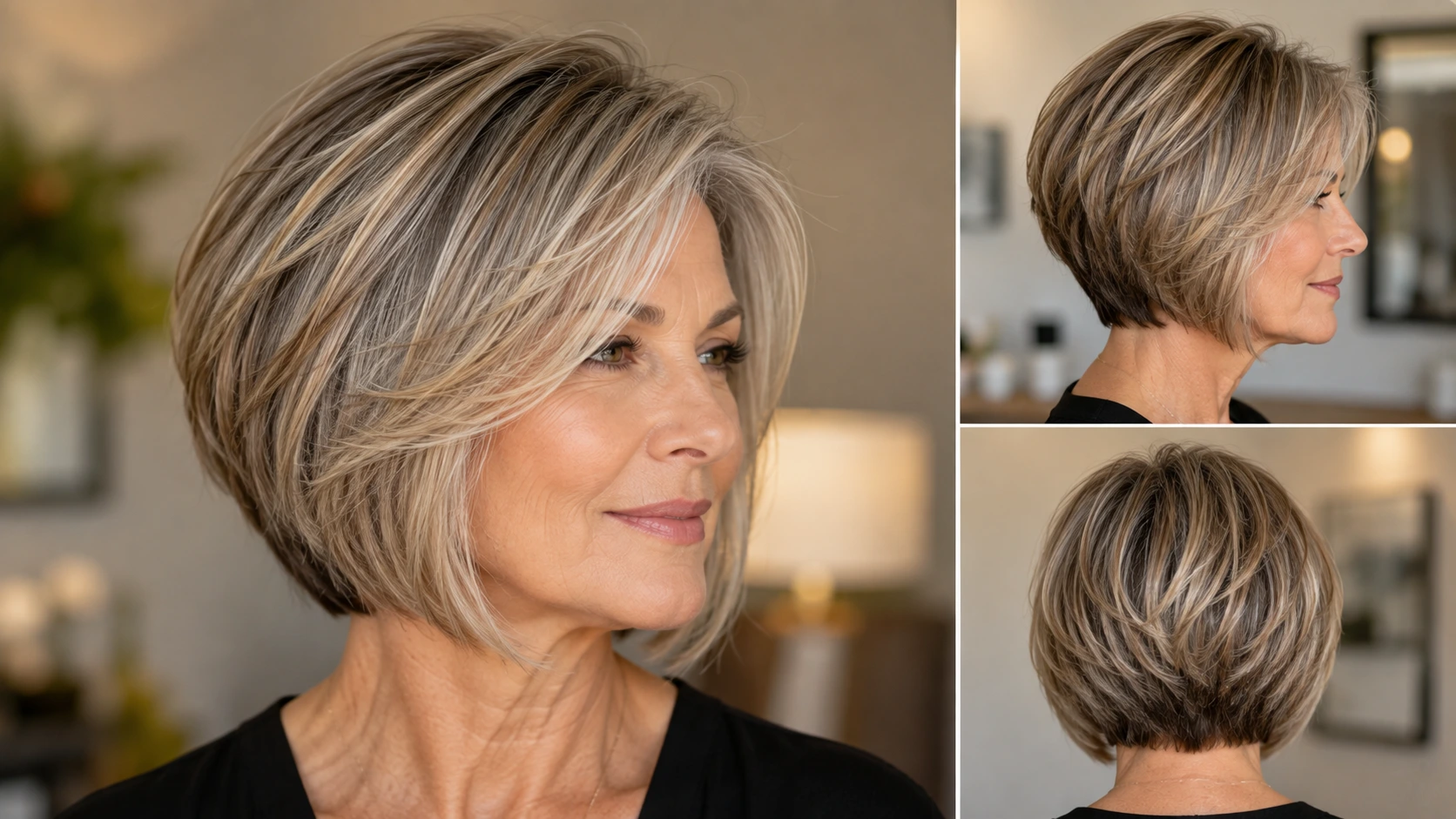
A short, stacked bob with soft layers is one of the most consistently recommended cuts for fine hair over 60, and for good reason. The graduation from a shorter nape to slightly longer front layers builds volume exactly where fine hair needs it most: at the crown and through the back, where flatness shows up first.
An angled version slightly longer in the front, shorter in the back adds the bonus of framing the face and drawing attention up toward the eyes and cheekbones rather than down toward any thinning at the temples.
Why it works: The graduated layers create built-in lift at the root, which is exactly what a blunt, one-length cut can’t do for fine hair.
Styling time: 5–10 minutes with a round brush, or a natural wave with a light mousse for an air-dry version.
Best for: Round or square face shapes, and anyone who wants a wash-and-wear cut that still looks polished.
3. The Blunt Bob
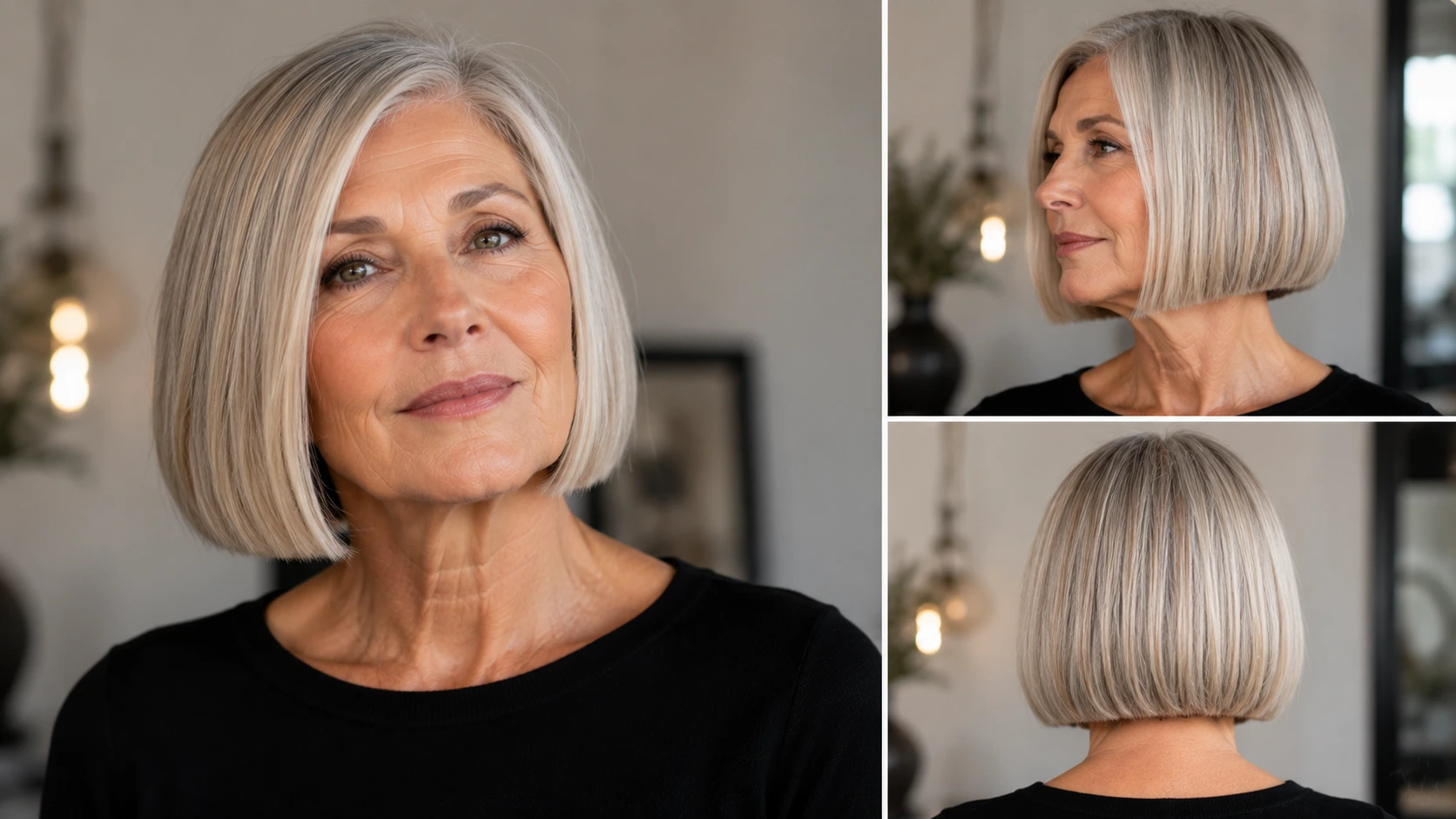
Somewhat counterintuitively, a precisely blunt, one-length bob is one of the best options for creating the appearance of thicker hair, since the sharp, even edge concentrates all of the hair’s visual weight into one clean line rather than dispersing it across feathered layers. Cut to the chin or just below, a blunt bob reads as dense and healthy even on genuinely fine strands.
Why it works: Fewer layers means less thinning-out of the ends, so what hair you have is concentrated into a solid, weighty line rather than fragmented into wispy pieces.
Styling time: 5 minutes, often just a quick blast with a dryer and a round brush for a smooth finish.
Best for: Straight or slightly wavy hair, and anyone who wants a sleek, structured look with minimal fuss.
4. The Shag with Curtain Bangs
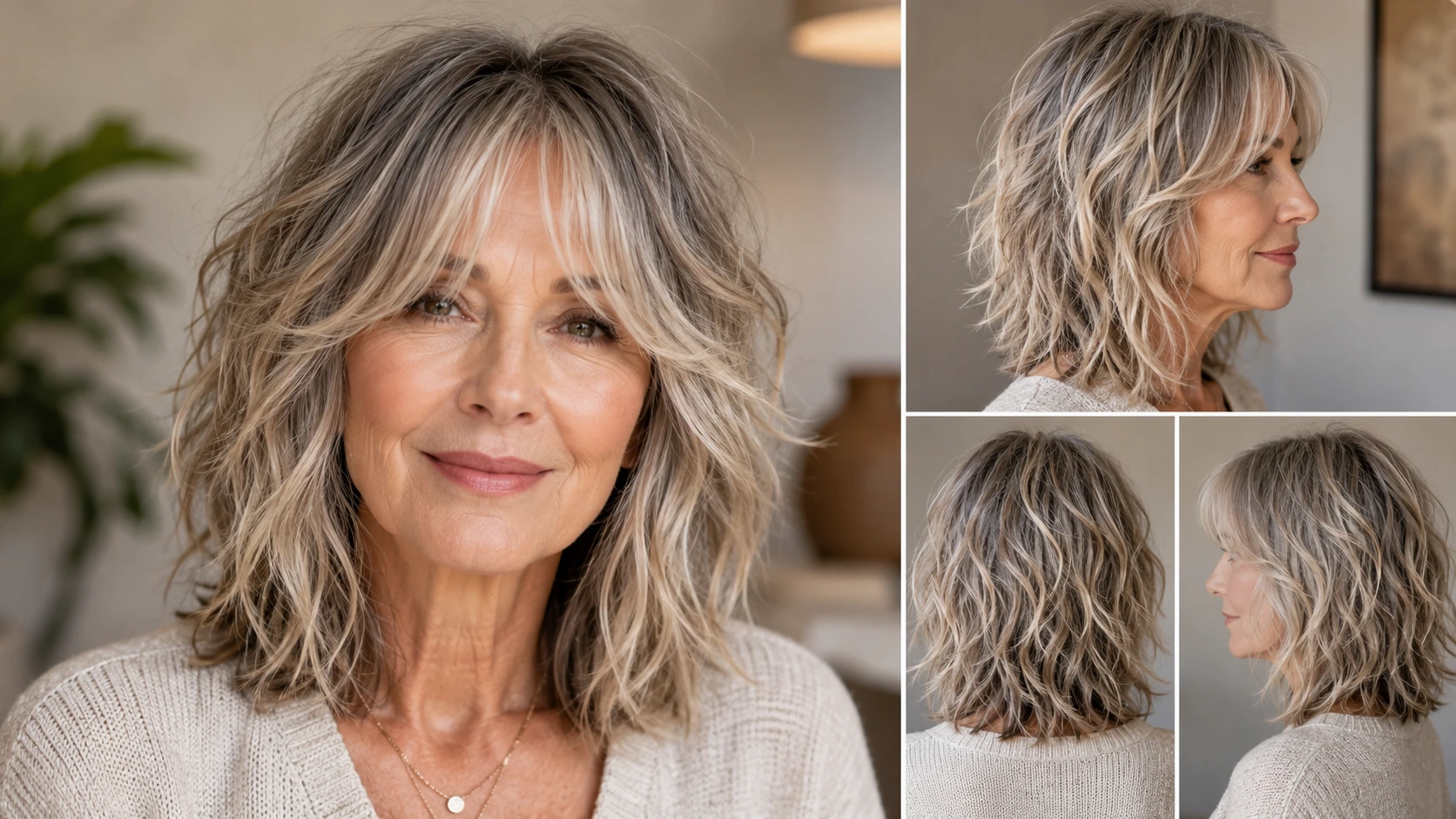
The modern shag, especially paired with soft curtain bangs, has become one of the most popular low maintenance hairstyles across every age group in 2026, and it translates beautifully to fine hair over 60. Heavily texturized, razored layers throughout add movement and body without requiring a single hot tool, while curtain bangs soften the face and can be styled with just fingers.
Why it works: The choppy, irregular layering creates the illusion of density through movement, tricking the eye into perceiving more volume than actually exists.
Styling time: Often air-dry friendly; a texturizing spray on damp hair is usually all it needs.
Best for: Anyone wanting a slightly edgier, more current look that still requires almost no daily effort.
5. The Layered Lob (Long Bob)
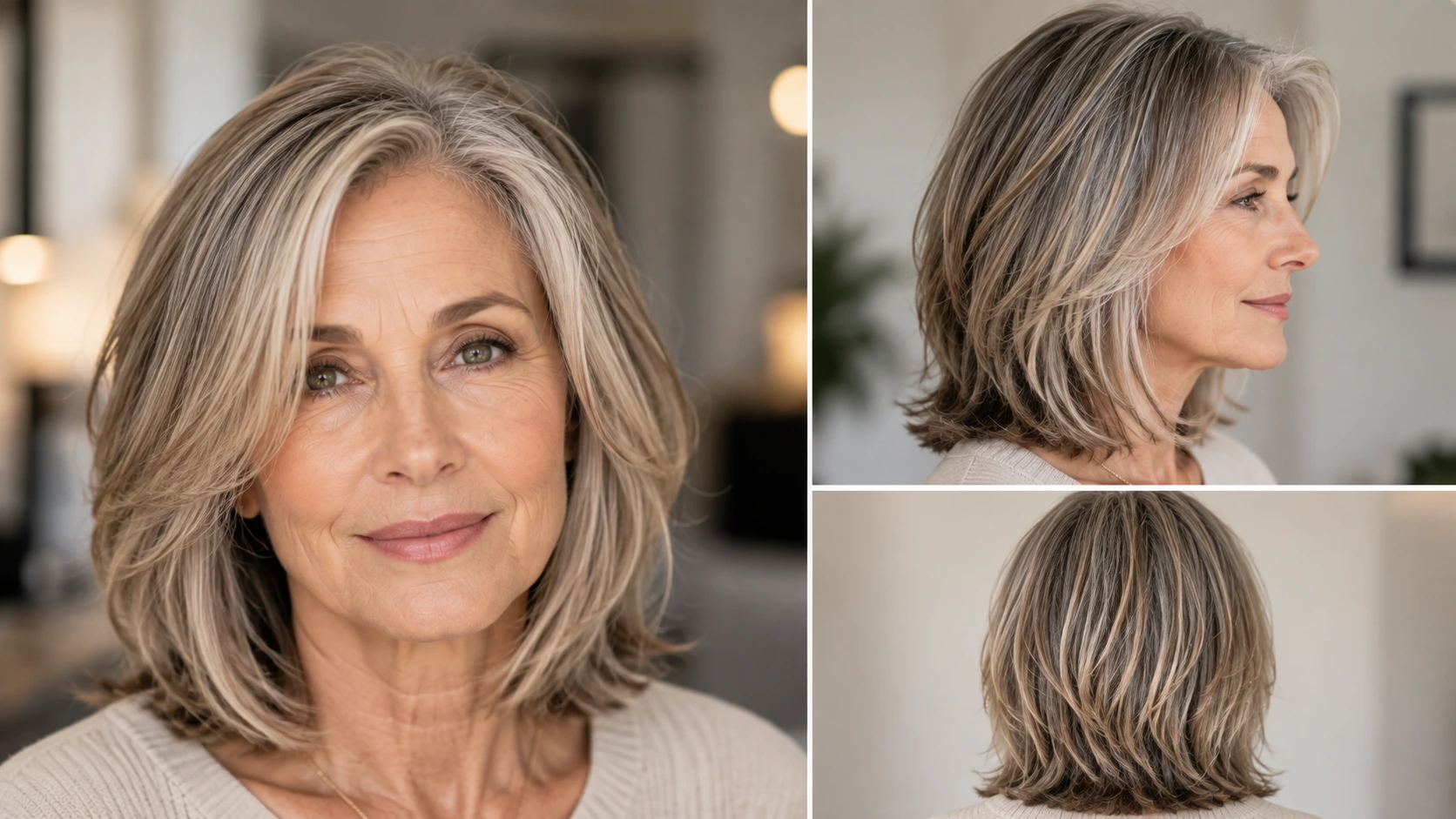
For anyone not ready to go short, the layered lob is the best middle-ground option. Landing around the collarbone, this length is short enough to avoid the flat, stringy look fine hair often gets past the shoulders, while long enough to wear up in a low ponytail or half-up style on busy days. Soft layers throughout, plus an optional side part, add the depth and dimension that a one-length long cut simply can’t provide on fine strands.
Why it works: Length is the biggest enemy of volume in fine hair; the lob keeps enough length for versatility while staying short enough that gravity doesn’t flatten it completely.
Styling time: 10–15 minutes for full styling, or a simple air-dry with a texturizing spray for a more relaxed day.
Best for: Women who want the option to wear hair up occasionally and aren’t ready to commit to a short cut.
6. The Tapered Crop
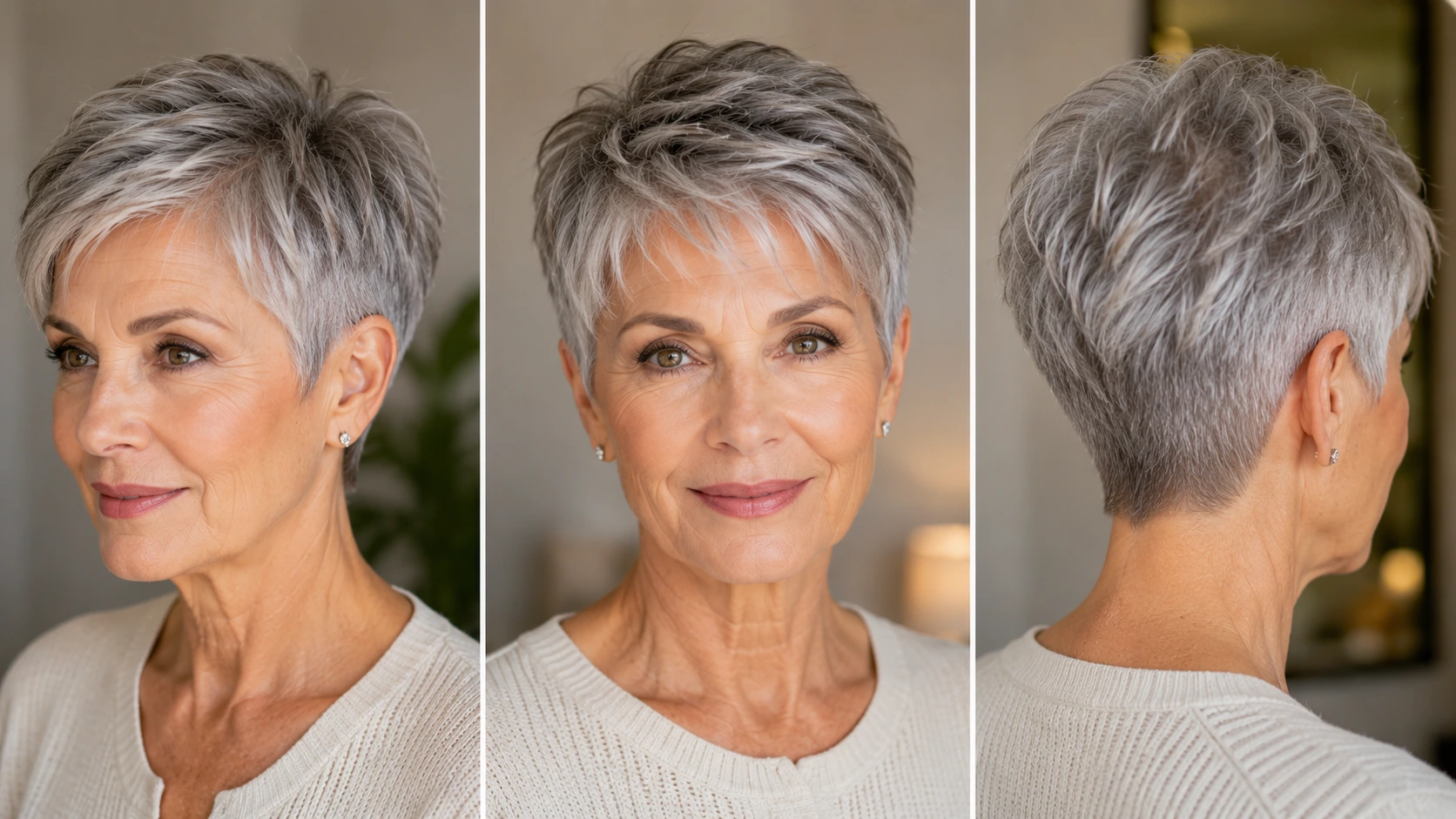
For the lowest possible maintenance without going all the way to a pixie, a tapered crop closely cropped at the sides and back with slightly longer layers on top is an excellent option. The tapered sides remove bulk and bring instant polish, while the added length and volume on top keeps the overall shape from looking severe.
Why it works: Removing weight at the sides and back concentrates volume at the crown, which is typically where fine hair thins first and needs it most.
Styling time: Often just a quick finger-styling with a small amount of texturizing cream.
Best for: Anyone confident with a shorter, edgier silhouette who wants genuinely no-fuss mornings.
7. The Wash-and-Wear Wispy Crop with Fringe
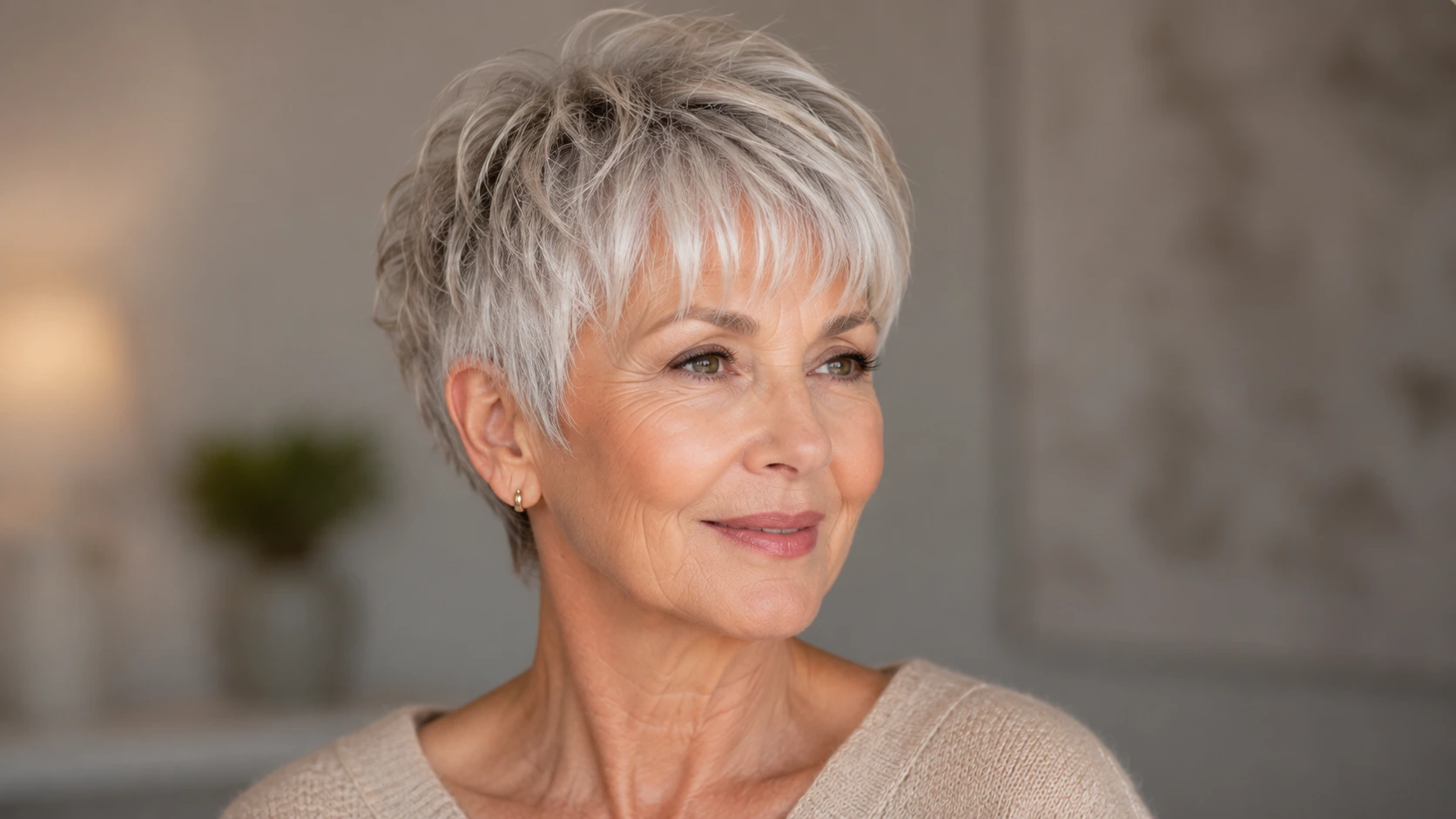
Rounding out the list is a short, wispy crop with a soft fringe sometimes called a “wash and wear” cut for exactly the reason it sounds like. Light, feathered layers throughout create natural movement and a gentle fringe softens the forehead and frames the eyes, while the overall shape requires essentially no daily maintenance beyond towel-drying and a light finger-styling.
Why it works: Feathered, wispy layers distribute what volume fine hair has evenly across the head rather than concentrating it in one spot, avoiding both flatness and an overly severe short-hair look.
Styling time: Genuinely wash-and-wear; a light mousse on damp hair is usually the only product needed.
Best for: Busy women who want a soft, youthful frame around the face with the least possible daily effort.
Does Hair Color Help Fine Hair Look Thicker?
Yes, and this is one of the most underused tools for fine hair specifically. Dimensional color techniques like balayage, subtle highlights, and lowlights create visual depth that tricks the eye into perceiving more thickness and movement than the hair actually has. Even a soft, low-contrast highlight around the face can make a noticeable difference. The key is subtlety: heavy, high-contrast color can actually emphasize thinness by drawing too much attention to individual strands, while soft, blended dimension does the opposite.
Caring for Fine Hair After 60: What Actually Matters
The right cut solves most of the volume problem, but the products you use day to day still matter, especially since fine, aging hair is more prone to dryness and breakage than it was in your twenties or thirties.
Skip heavy conditioners. Rich, deeply moisturizing conditioners are wonderful for thick or coarse hair, but they can weigh fine hair down and cancel out everything your haircut is doing to create volume. A genuinely lightweight formula is worth prioritizing our breakdown of the best deep conditioners includes lighter-weight options specifically noted for not flattening fine strands, alongside richer formulas for anyone who needs more intensive repair on drier lengths.
Use a leave-in, but choose carefully. A good leave-in conditioner can protect fine, fragile hair from heat and environmental damage without the weight of a rinse-out formula, but not all leave-ins are created equal for this hair type. Our guide to the best leave-in conditioners highlights which formulas add protection without sacrificing the volume your cut is designed to create.
Get regular trims. Split, wispy ends are one of the biggest culprits behind fine hair looking even sparser than it is. A trim every 6–8 weeks keeps whatever layering or shaping your cut relies on looking crisp and intentional rather than growing out into a shapeless mess.
Sleep on silk or satin. A silk or satin pillowcase significantly reduces the friction that causes frizz and breakage overnight, which matters more for fine, fragile strands than almost any other hair type.
Go easy on heat. Since fine hair is more prone to heat damage, choose cuts from this list that are genuinely air-dry friendly whenever possible, and use a heat protectant on the days you do reach for a blow-dryer or curling iron.
Frequently Asked Questions
What is the best low maintenance haircut for fine hair at 60?
A short, textured pixie or a stacked short bob are generally the two lowest-maintenance options, since both use shorter length and built-in layering to create volume without daily styling.
Does short hair really make fine hair look thicker?
Yes. Shorter length reduces the weight pulling hair down, which preserves what natural volume fine hair has. Longer styles tend to look flatter and thinner by comparison, especially past the shoulders.
Should I avoid layers if I have fine hair?
No, the opposite is generally true. Soft, well-placed layers add movement and the appearance of volume in fine hair. What you want to avoid is over-thinning with shears, which can make ends look wispy and sparse rather than textured.
How often should I trim fine hair to keep it looking healthy?
Every 6 to 8 weeks is the general guideline for most of the cuts on this list, since fine hair shows split and wispy ends more visibly than thicker hair types.
Does hair color make a real difference for fine, thinning hair?
Yes. Soft, dimensional color like balayage or subtle highlights creates depth that makes hair appear thicker, while flat, single-process color can make fine hair look even more one-dimensional.
Final Thoughts
Fine hair at 60 doesn’t have to mean settling for flat, lifeless styles or hours at the mirror every morning. The right cut, whether it’s a textured pixie, a stacked bob, or a soft wash-and-wear crop, does most of the volume-building work on its own. Pair it with the right lightweight products and a regular trim schedule, and a genuinely low-maintenance routine becomes not just possible, but easy to stick to for the long run.