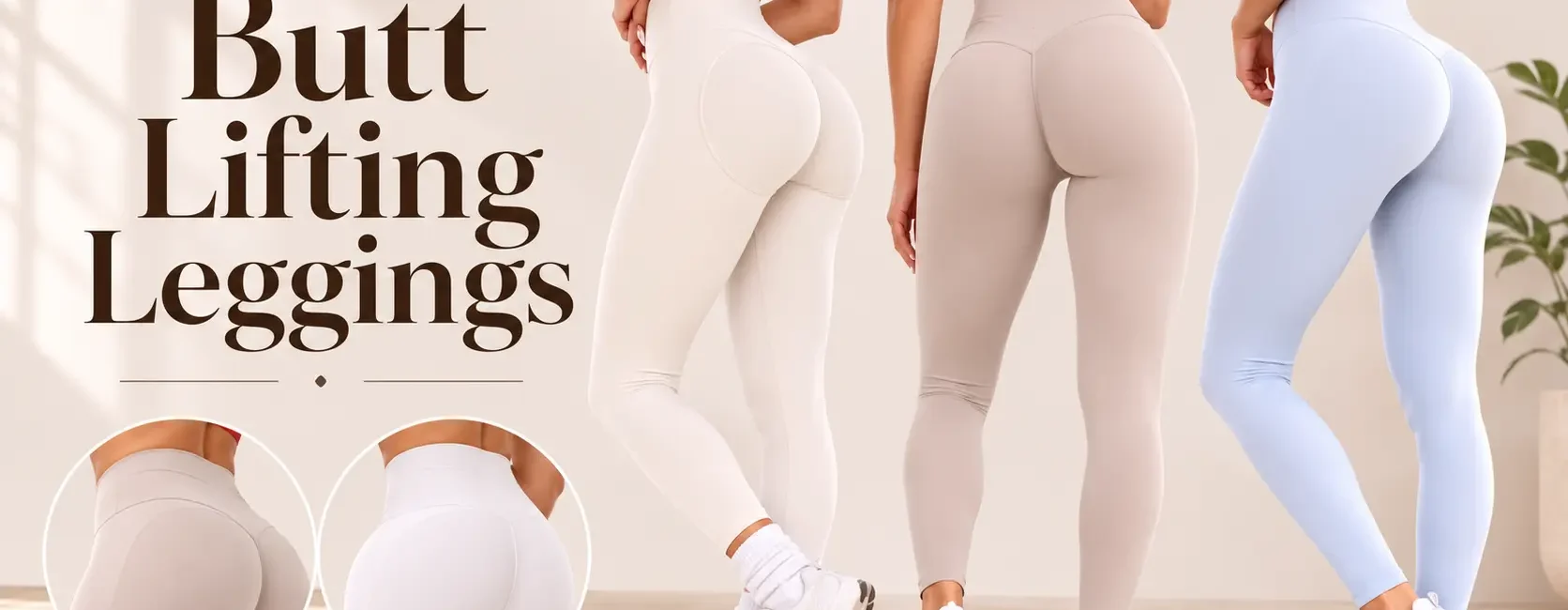
Butt lifting leggings have become one of the most searched activewear categories in the USA, and for good reason. The right pair doesn’t just cover your legs for a workout; it sculpts, supports, and shapes through smart construction rather than gimmicks. But with dozens of brands claiming “scrunch,” “booty-lifting,” or “sculpting” technology, it’s genuinely hard to tell which pairs actually deliver and which ones look good only in a product photo.
This guide covers exactly what to check before buying, how to test opacity and support at home, which specific pairs are worth your money at different price points, and the sizing and care details most buying guides skip entirely.
What Actually Makes Leggings “Butt Lifting”?
Compression leggings are designed to fit like a second skin, and while that compression smooths and streamlines the legs, it can sometimes flatten the backside instead of lifting it. That’s the exact problem butt lifting leggings are engineered to solve. The best pairs rely on strategically placed seams, targeted compression, and supportive fabrics that follow the body’s natural curves, so the effect looks subtle and natural rather than exaggerated or gimmicky.
There are two main construction approaches you’ll see across 2026 collections:
- Scrunch or V-back seam construction: A curved center-back seam gathers the fabric just below the tailbone, pulling material slightly to define and separate the glutes. This is the most talked-about style this year, often called “scrunch butt” or “cheeky scrunch” leggings.
- Contour panel construction: Rather than a scrunch seam, this method uses contrast panels and targeted compression zones that visually contour and lift without the gathered fabric look, which some wearers prefer for a more streamlined everyday appearance.
Scrunch vs. Contour Panel: Which Should You Buy?
| Feature | Scrunch / V-Back Seam | Contour Panel |
|---|---|---|
| Visual effect | Defined, separated, rounder shape | Smoother, more subtle lift |
| Best for | Gym selfies, going-out looks, dedicated lifting effect | Everyday wear, work-adjacent athleisure, subtler shaping |
| Comfort | Can feel slightly more fitted at the seam | Generally more comfortable for all-day wear |
| Who it suits | Anyone wanting a visible, defined shaping effect | Anyone wanting shape without an obvious “scrunch” look |
The Fabric and Construction Details That Actually Matter
Not all “scrunch” or “lifting” claims are created equal, and the difference usually comes down to a few specific details.
Waistband thickness and compression. A thick, four- to five-inch waistband with internal grip or double-layered compression is considered essential for genuine butt lifting leggings, since a thin, standard elastic band can’t support the downward pull of a scrunch panel during heavier movements like squats or hip thrusts.
Fabric opacity (GSM). Opacity is measured in grams per square meter (GSM), and the current standard for scrunch-style rear panels sits between 240 and 280 GSM. Most squat-test failures happen in lighter 180–220 GSM fabrics that prioritize a barely-there feel over real coverage, so this number is worth checking before you buy, especially for gym use.
Seam placement. A true scrunch or V-back seam should curve with the body rather than run straight down the center, which is what causes the flattening, “two pancakes” look that poorly designed imitations produce.
Durability over time. Higher-quality pairs hold their shape across the full range of motion in exercises like deadlifts and hip thrusts, with no visible thinning in the seat panel even after 60-plus wash cycles a good benchmark if you’re comparing premium leggings against fast-fashion lookalikes.
How to Squat-Test Leggings Before You Buy
One of the simplest ways to check opacity and support before committing to a pair is the bend-and-look test: put the leggings on, face away from a mirror, bend forward at the hips, and check the reflection between your legs. If you can see skin tone or underwear shape through the fabric, the leggings aren’t squat-proof, and they’ll likely be even more transparent under bright gym lighting or when stretched across a heavy squat.
In a fitting room without a full mirror setup, a simpler version works too: pull the fabric taut over your knee or forearm and check for see-through under bright light. It’s not a perfect substitute for the full bend test, but it catches most opacity failures before you leave the store.
Best Butt Lifting Leggings by Category
Once you know what to look for, here’s where that translates into actual picks worth trying, grouped by what they’re best suited for.
Best for high-intensity workouts: Look for a genuine scrunch or V-back seam in the 240–280 GSM range with a thick compressive waistband brands like Gymshark (Adapt and Sweat Seamless lines) and YoungLA are among the most consistently reviewed for holding shape and opacity through heavy squats and deadlifts specifically.
Best for everyday, all-day wear: Softer, slightly lower-compression fabrics with a contour-panel construction tend to hold up better for comfort over a full day. Lululemon’s Align and Wunder Train lines and Aerie’s Offline leggings are frequently recommended for this exact use case, prioritizing all-day comfort without sacrificing shape.
Best budget option: Fabletics and Amazon-based brands like CRZ Yoga offer scrunch and contour styles that perform respectably in the 200+ GSM range at a meaningfully lower price point than premium activewear brands a reasonable starting point if you’re not ready to invest in a $90+ pair before knowing your preferred fit.
Best for maximum lifting effect: Brands built specifically around the scrunch silhouette, like Buffbunny and YoungLA, tend to have the most pronounced, defined lifting effect of any category, at the trade-off of a more fitted, less relaxed everyday feel.
A general price guide: budget scrunch leggings typically run $20–$40, mid-range mainstream activewear brands sit around $50–$70, and premium brands (Lululemon, Alo Yoga) run $90–$120. Price alone isn’t a reliable quality signal checking the specific GSM and waistband construction matters more than the brand name or price tag.
Rise, Length, and Fit Options to Consider
Butt lifting leggings now come in a wide range of rises, lengths, and fits depending on how you plan to wear them:
- Rise: High-rise is the dominant choice for both workout performance and everyday flattering fit, since it supports the midsection while emphasizing the lifted silhouette below.
- Length: Options typically range from pedal pusher and capri lengths up to full-length 7/8 and ankle-length styles so that you can match the length to your workout type or the season.
- Waistband style: Cross-over, wrap, fold-over, and ribbed waistbands are all popular in 2026, each offering a slightly different look while still providing the compression needed for support.
- Pockets: Many current top-selling styles now include hidden pockets, which are a small but genuinely useful feature for carrying a phone or card during workouts or errands.
Finding Your Right Size and Fit
Sizing runs differently across scrunch-focused brands than standard activewear, and getting it wrong is one of the most common reasons a legging fails the squat test even when the fabric itself is high quality.
Compression-focused brands often run smaller than standard sizing. If you’re between sizes, sizing up is generally the safer choice for scrunch leggings specifically, since a too-small pair stretches the rear panel thinner than intended, directly undermining opacity.
Check the brand’s specific size chart, not a general one. Scrunch-style brands vary significantly in how their sizing translates compared to mainstream activewear labels like Lululemon or Nike a size that fits well in one brand can run a full size different in another.
Body shape affects fit more than in standard leggings. Because the scrunch seam is designed to interact with the body’s natural curve, fit can vary meaningfully by body shape even within the same labeled size reading recent buyer reviews for fit notes specific to different body types is worth the extra few minutes before purchasing.
Best Uses: Gym vs. Everyday Wear
Not every pair of butt lifting leggings is built for the same purpose, and matching the fabric weight to your intended use makes a real difference in comfort and performance.
- High-intensity workouts: Look for higher-compression, higher-GSM fabric with a true scrunch or V-back seam design, since these are built to hold shape and stay opaque through squats, lunges, and heavier lifting sessions.
- Low-impact movement and everyday wear: Softer, more cotton-like fabric blends with slightly less compression tend to be more comfortable for running errands, lounging, or all-day wear, even if they offer a bit less shaping than the highest-compression styles.
- Travel and lounging: Lighter compression styles with a comfortable waistband are typically the better choice for long stretches of sitting, since heavier compression fabric can feel restrictive over extended wear.
How to Style Butt Lifting Leggings Outside the Gym
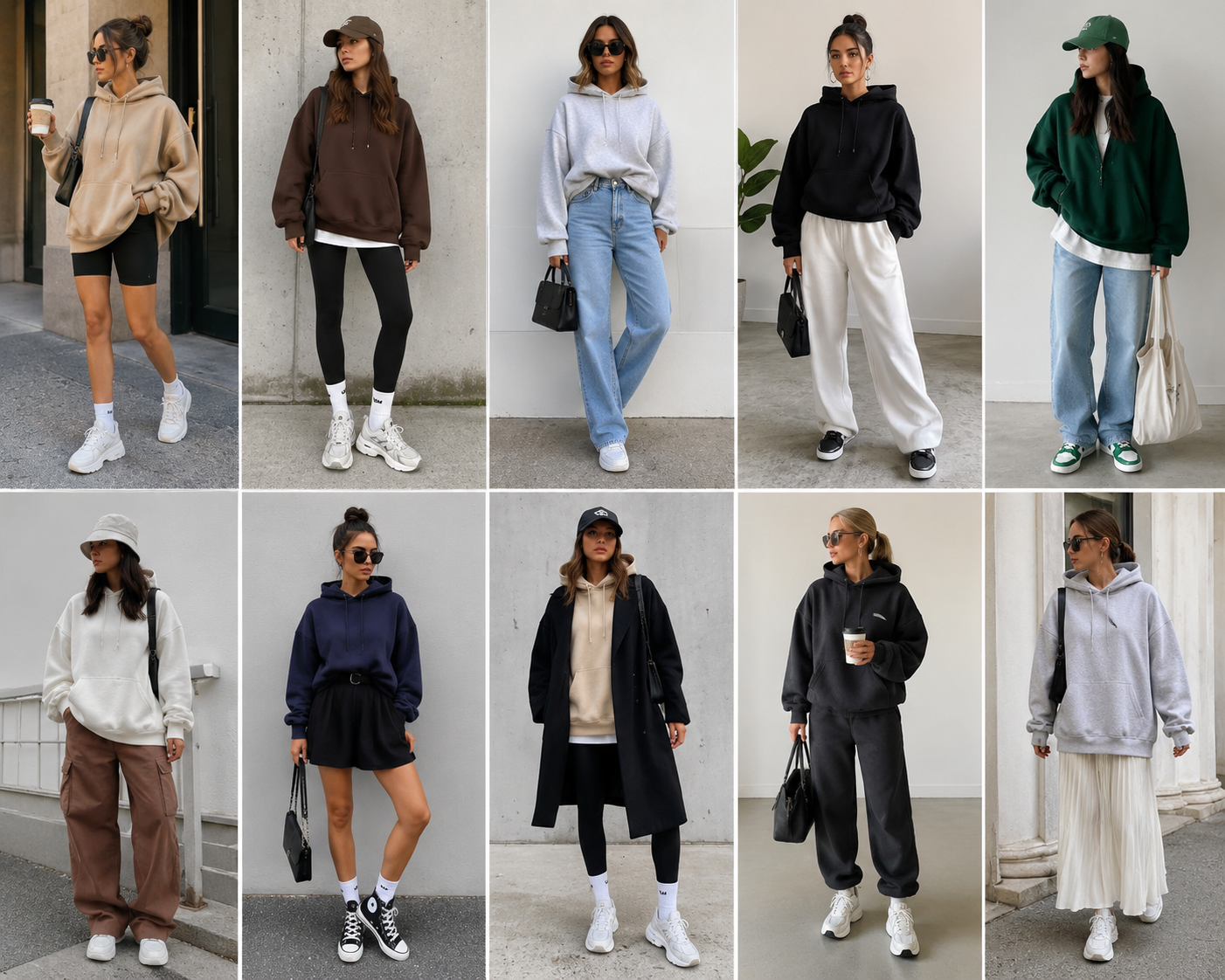
Leggings have long since moved beyond strictly workout wear, and butt lifting styles are increasingly worn as everyday bottoms. A cropped or fitted top shows off the shaping effect most clearly, but leggings also pair naturally with looser silhouettes for a more casual, athleisure-inspired look. If you’re building out a full outfit around leggings, our guide to styling oversized hoodies is a great next step for balancing a fitted bottom with a relaxed top, and the same idea applies with our tips on styling oversized tees for a more laid-back, errand-day version of the look.
If you want more general inspiration for building outfits around your activewear pieces, our outfit ideas hub covers a range of looks that go beyond the gym. And if you’re deciding between leggings and denim for a particular occasion, our piece on the brown jeans trend is worth a look for comparing a structured denim silhouette against a fitted legging one.
Caring for Butt Lifting Leggings So They Keep Their Shape
The compression and scrunch effect that make these leggings work are also what wears out fastest with improper care.
Wash in cold water, always. Heat breaks down the spandex/elastane content responsible for compression far faster than cold water does, shortening the lifespan of the shaping effect specifically.
Skip the dryer. High heat is the single fastest way to degrade compression fabric. Air-drying preserves both opacity and the fit of the waistband significantly longer than machine drying.
Turn inside out before washing. This protects the outer seam construction, particularly the scrunch panel, from the friction and pilling that a washing machine cycle can cause.
Avoid fabric softener. It coats and breaks down the moisture-wicking and compression fibers over time, reducing both performance and the shaping effect.
Rotate between at least two pairs. Compression fabric needs recovery time between wears to maintain its elasticity wearing the same pair back-to-back accelerates the fabric’s breakdown.
Common Mistakes to Avoid When Shopping
- Buying based on marketing language alone. Terms like “booty-lifting” or “sculpting” aren’t standardized, so check the actual fabric composition, GSM, and seam design rather than relying on the product name.
- Ignoring the waistband. A thin waistband undermines even the best scrunch seam design, since it can’t hold the compression needed for a lasting lift.
- Skipping the opacity check. Always do a stretch or bend test, especially for leggings you plan to wear during squats or heavy lower-body training.
- Choosing the wrong fabric weight for your use case. A heavy-compression gym legging can feel overly restrictive for all-day errand wear, while a soft, low-compression pair may not hold up through an intense workout.
- Assuming your regular size applies. Compression-focused brands often size differently than standard activewear check the specific brand’s chart rather than assuming.
Frequently Asked Questions
Do scrunch butt leggings actually work?
Yes, when the construction is done well. A true scrunch or V-back seam that curves with the body, paired with a thick compressive waistband and opaque fabric, creates a genuine lifting effect rather than a gimmick.
What GSM should butt lifting leggings be?
For gym use, look for rear-panel fabric in the 240–280 GSM range. Lighter fabrics around 180–220 GSM are more prone to becoming sheer during squats or heavy stretching.
Are butt lifting leggings good for everyday wear?
Yes, especially softer, lower-compression styles designed for comfort over performance. Higher-compression gym styles can also be worn casually, but they may feel less comfortable for extended all-day wear.
How do I know if leggings will be see-through during a workout?
Do the bend-and-look test before buying: put them on, bend forward facing away from a mirror, and check if skin tone or underwear is visible through the fabric.
What’s the best brand for butt lifting leggings?
It depends on use: Gymshark and YoungLA are strong for high-intensity workouts with a defined scrunch effect, Lululemon and Aerie are better suited to everyday all-day comfort, and Fabletics or CRZ Yoga are solid budget-friendly starting points.
How much should good butt lifting leggings cost?
Budget scrunch leggings typically run $20–$40, mainstream activewear brands $50–$70, and premium brands $90–$120. Price isn’t a guaranteed quality signal on its own check the GSM and waistband construction regardless of price point.
Should I size up or down for scrunch leggings?
When in doubt, size up. A too-small fit stretches the rear panel thinner than intended, which directly undermines both opacity and the shaping effect the seam is designed to create.
Final Thoughts
Butt lifting leggings have moved well past being a passing trend; they’re now a genuine activewear category with real engineering behind the best pairs. The difference between leggings that look great in a product photo and ones that actually deliver comes down to a handful of concrete details: waistband thickness, fabric GSM, seam curvature, and long-term durability. Whether you’re shopping for high-intensity training sessions or an everyday athleisure look, checking these details and testing them properly before you buy will save you from wasted money on leggings that flatten instead of lift.